Looking for Fairfield’s signature estate address where space, history, and privacy all come together? In Greenfield Hill, you get a classic New England village green and winding lanes lined with stone walls, plus generous lots that feel rural yet keep you within Fairfield’s town limits. If you want room to breathe without giving up town beaches, schools, and rail access to NYC, this area belongs on your short list. In this guide, you’ll learn what makes Greenfield Hill special, how zoning preserves its estate character, and what to check before you buy. Let’s dive in.
Where Greenfield Hill sits and why it stands out
Greenfield Hill covers the northern and central part of Fairfield, with the neighborhood commonly centered on the triangular green where Meeting House Lane, Hillside Road, and Old Academy Road meet. It lies north of downtown Fairfield and is bisected by the Merritt Parkway, which helps explain why it feels secluded while staying accessible. You can read more about the location and boundaries in the town’s and state’s summaries of the area’s setting and history, including the village green at the core of Greenfield Hill, on the Greenfield Hill page.
At the heart of the neighborhood is a designated historic area, the Greenfield Hill Historic District. The town’s Historic Districts page outlines the local framework that helps protect the village scale around the green and preserve significant structures and streetscapes. If you are evaluating a property near the green, start by reviewing the town’s overview of historic districts and maps.
Community life here revolves around the green and local institutions. The Greenfield Hill Congregational Church’s history anchors the village feel and connects present-day residents to centuries of local tradition. Each spring, the neighborhood draws visitors to the long-running Dogwood Festival on the green, which reinforces the small-village charm that sets Greenfield Hill apart.
How zoning protects the estate feel
Greenfield Hill’s estate character did not happen by accident. Fairfield’s zoning regulations use residential districts and design standards to control density, setbacks, and lot coverage townwide. In areas where the Residence A district applies, the regulations set a minimum lot area that works out to roughly 1 acre, which encourages lower density and larger parcels. You can see the official lot area and design standards in the Town of Fairfield zoning regulations, including Section 10 and the zoning tables.
In addition to base residential zones, the town’s Designed Residence and Open Space rules set separate minimums and configuration standards. That flexibility allows Fairfield to shape development forms that protect open space and maintain the green, winding-lane feel many buyers expect in Greenfield Hill. Before you plan a pool, tennis court, or addition, always consult the official regulations for exact dimensional standards for your address.
Homes, lots, and architecture you will find
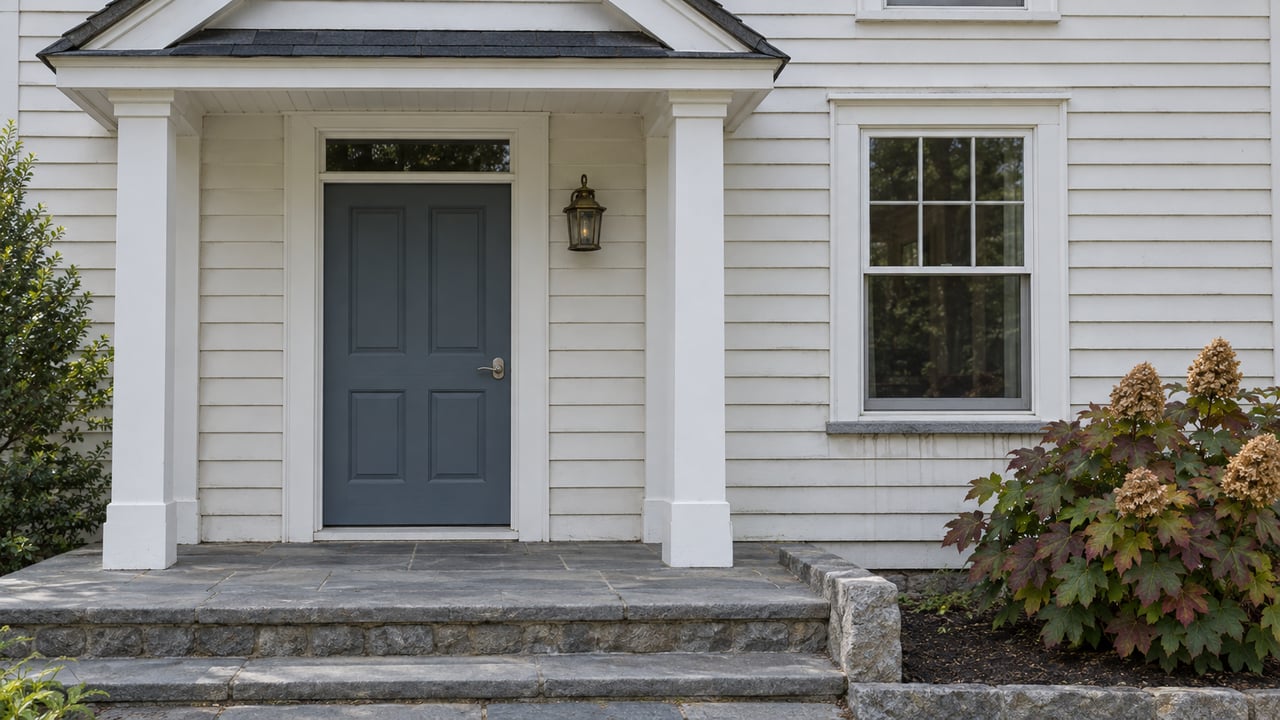
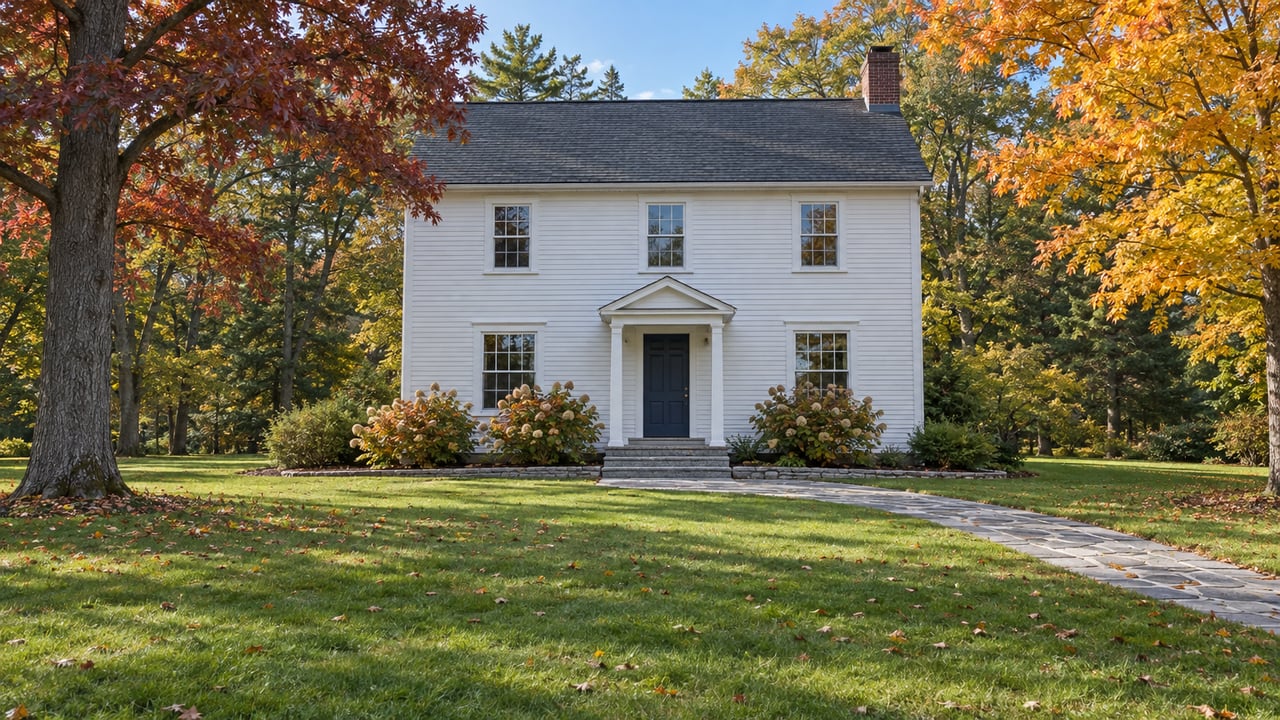
Around the green, you will see historic homes on village-scaled lots that date to the 18th and 19th centuries. As you fan out along side roads and lanes, parcels get larger, with many properties offering one to several acres. Public listing services regularly show options from under an acre to multi-acre estates, with pricing that spans the high six figures into the multi-million range depending on size, improvements, and setting.
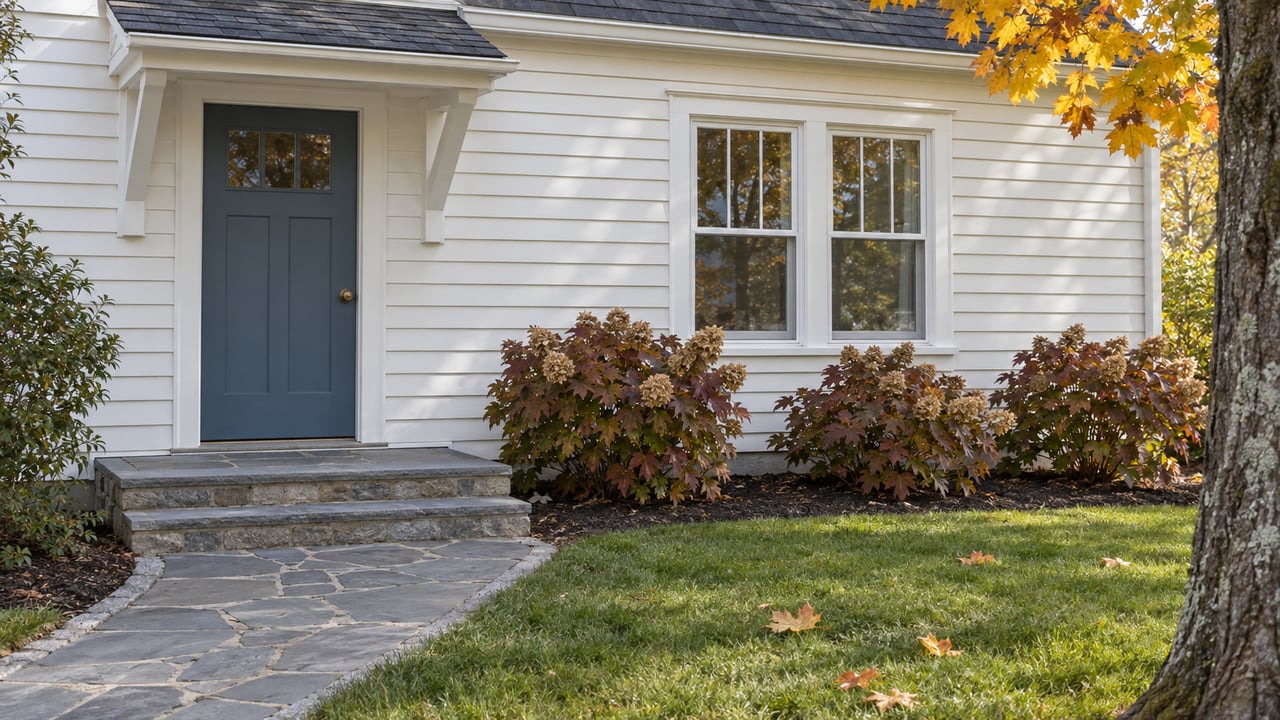
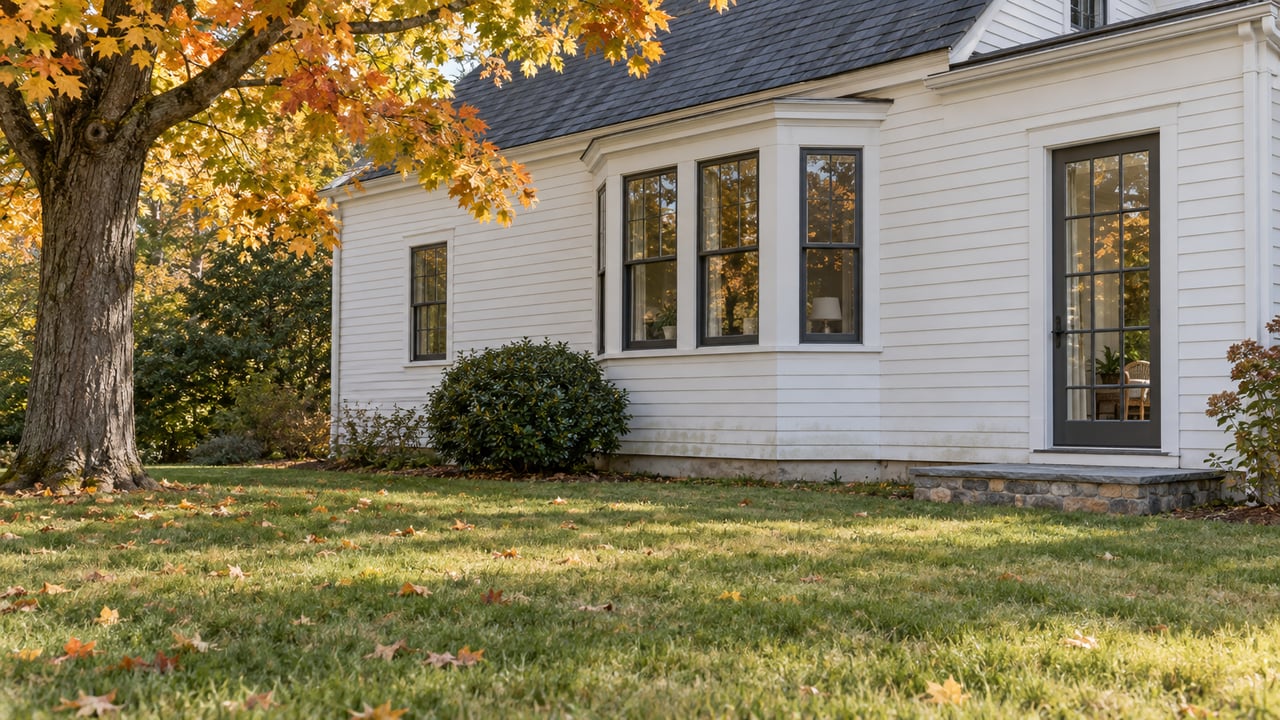
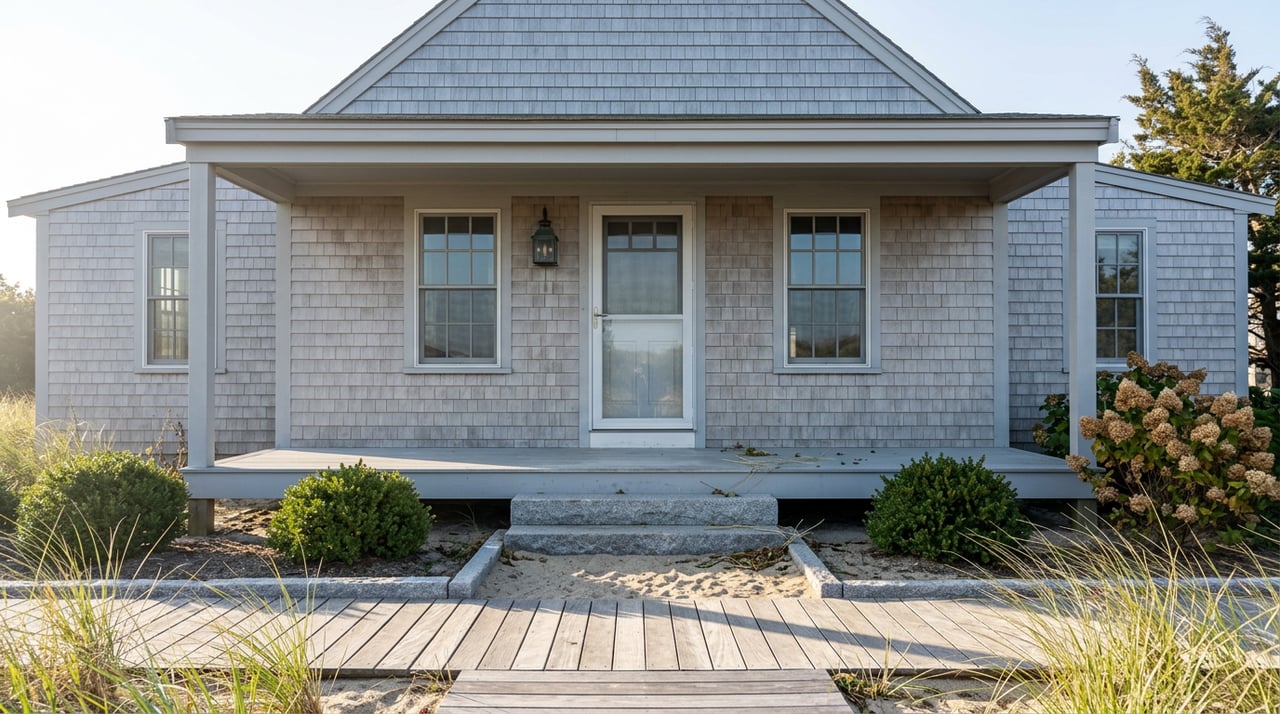
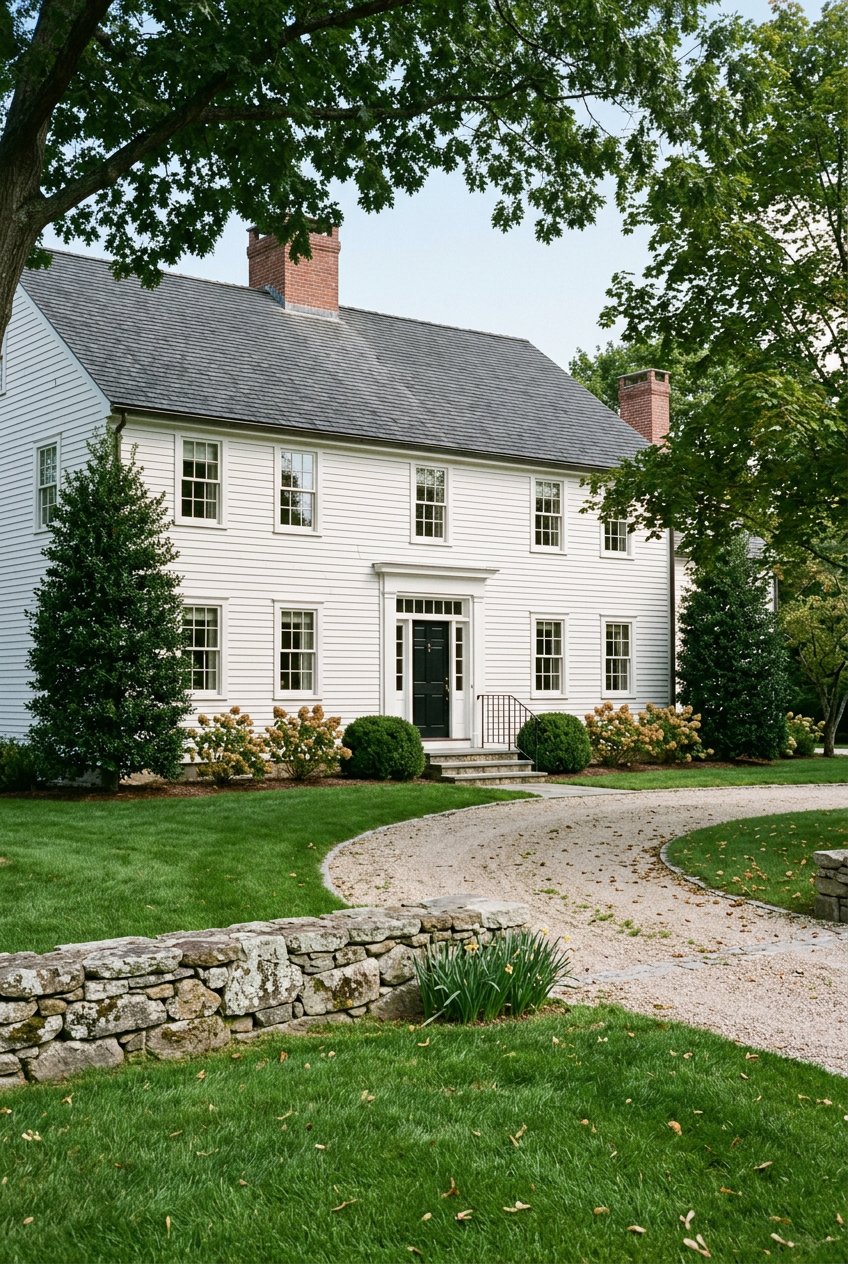
Architecturally, you will find Colonial, Georgian, Federal, and saltbox forms, along with Colonial Revival and later homes that respect the traditional streetscape. Stone walls, mature trees, and long driveways reinforce the sense of privacy many buyers want. If you value room for gardens, a pool, or just quiet outdoor space, Greenfield Hill gives you that breathing room while still feeling connected to town.
Schools and education choices
Greenfield Hill is part of the Fairfield Public Schools system. The district operates multiple elementary schools, three middle schools, and two high schools, Ludlowe and Warde. Because attendance zones are address specific and can change, always use the district’s official tools to confirm your assignments on the Fairfield Public Schools site.
Some families also look at nearby private options. Fairfield Country Day School, located on Bronson Road near the historic area, is one of several independent choices in greater Fairfield. Touring both public and private schools helps you understand commute patterns and daily logistics from your prospective home.
Parks, beaches, and everyday convenience
One reason Greenfield Hill is so popular is that it pairs privacy with easy access to Fairfield’s amenities. You are a short drive to town beaches, including Jennings and Penfield, as well as local parks and recreation programs. The town issues resident permits for beach access, so review the current guidelines on Fairfield beach access and permits as you plan your beach days.
Daily errands, dining, and services are also easy to reach. While Greenfield Hill feels like the country, you are still within Fairfield’s network of shops, restaurants, fitness options, and medical services, with downtown and Southport a convenient drive away.
Commute and rail access to NYC
If you commute to New York City or visit often, rail service on Metro-North’s New Haven Line is a major plus. Fairfield is served by three stations, including the large infill station that opened in 2011. To help riders understand its location, the state recently updated the name to Fairfield–Black Rock, replacing the Fairfield Metro label. You can read the background on the renaming in this station update report. Typical express trips from Fairfield-area stations to Grand Central are commonly reported around 70 to 80 minutes depending on the schedule. For exact times, check Metro-North’s current timetables.
Driving access is straightforward too. The Merritt Parkway crosses the northern part of Greenfield Hill, which helps with regional connectivity while keeping through-traffic away from the historic village core.
What to verify before you buy in Greenfield Hill
Buying in an estate neighborhood comes with a few extra checks. Use this quick list to confirm details at the address level before you write an offer.
- School assignment. Use the Fairfield Public Schools address lookup tools or contact the district directly. Assignments are address specific and can change, so confirm for your property on the district site.
- Zoning and permitted uses. Review the Town of Fairfield zoning regulations for minimum lot area, setbacks, and any designed-residence standards that could apply to your parcel. When in doubt, call the Town Plan and Zoning office.
- Historic-district review. If the property lies inside the Greenfield Hill Historic District, exterior changes and demolition are subject to Historic District Commission review. See local code Chapter 26 via the town’s Historic District Commission rules and confirm requirements before designing additions or major updates.
- Sewer, septic, and water. Many Greenfield Hill homes rely on private septic systems. Check service status and available connections with the town’s Water Pollution Control Authority. Start with the WPCA’s sewer department page and verify records for your specific address.
- Property tax and revaluation updates. Fairfield periodically updates assessed values through a revaluation cycle. Contact the Town Assessor for the most current information and mill rate guidance before estimating annual taxes.
- Market comparables. The local MLS and public listing services can show recent sales and current acreage offerings. Use same-street or nearby-lane comparables to understand pricing differences between village lots and multi-acre estates.
Renovating, expanding, or building
If you plan to renovate or expand, start with a zoning and historic review to avoid surprises. Properties inside the Greenfield Hill Historic District have an extra layer of oversight for exterior changes. Before you hire an architect, confirm whether your address lies inside a historic boundary and discuss your plans with the town’s Historic District Commission and Building Department. The Historic District Commission rules explain how exterior work and visible additions are reviewed.
Outside the historic district, you still need to respect the town’s setback, height, and coverage limits. The zoning regulations outline the standards and permit pathways, including special permits when needed. Good due diligence up front keeps your project on time and on budget.
Is Greenfield Hill right for you?
Consider Greenfield Hill if you want:
- A classic New England village setting with a historic green and landmark church.
- Larger lots that provide space for privacy, pools, gardens, and play.
- Traditional architecture and mature landscaping that feel timeless.
- Access to town beaches, parks, and three Metro-North stations while living in a tranquil, low-density area.
If that checklist matches your wish list, Greenfield Hill is Fairfield’s signature estate neighborhood for a reason. When you are ready to tour available homes, compare acreage, and understand the nuances of historic review, zoning, and utilities, you deserve a local advocate who knows this market inside and out. For discreet guidance, premium marketing, and expert negotiation, reach out to Jackie Davis & Team to start a confidential conversation.
FAQs
What defines Greenfield Hill’s historic district and how does it affect homeowners?
- The Greenfield Hill Historic District protects the village core around the green. If your property is inside its boundaries, exterior changes and demolition typically require Historic District Commission review under the town’s Historic District Commission rules.
How large are typical lots in Greenfield Hill?
- Lots near the green can be village scaled, while many side-road properties offer one to several acres. The town’s zoning regulations set minimum lot areas by district, with Residence A commonly operating around 1 acre where applicable.
Which public schools serve Greenfield Hill addresses?
- Greenfield Hill is within Fairfield Public Schools, but attendance zones are address specific and can change. Confirm elementary, middle, and high school assignments on the Fairfield Public Schools site.
Are there private school options near Greenfield Hill?
- Yes. Families often consider independent schools in and around Fairfield, including Fairfield Country Day on Bronson Road near the historic area. Tour options directly to evaluate fit and logistics from your address.
What is the commute from Greenfield Hill to New York City like?
- Fairfield has three Metro-North stations, including the recently renamed Fairfield–Black Rock station. Express trip times to Grand Central are often reported around 70 to 80 minutes depending on the schedule. See the station update report and check current Metro-North timetables.
Are Greenfield Hill homes on sewer or septic?
- Many are on private septic. To confirm service for a specific property and understand connection options, contact the town’s WPCA and review the sewer department page.
What community events or traditions define Greenfield Hill?
- The Dogwood Festival at the village green is a signature spring event that brings neighbors together. Learn more from recent festival coverage and the church’s history that anchors the green.