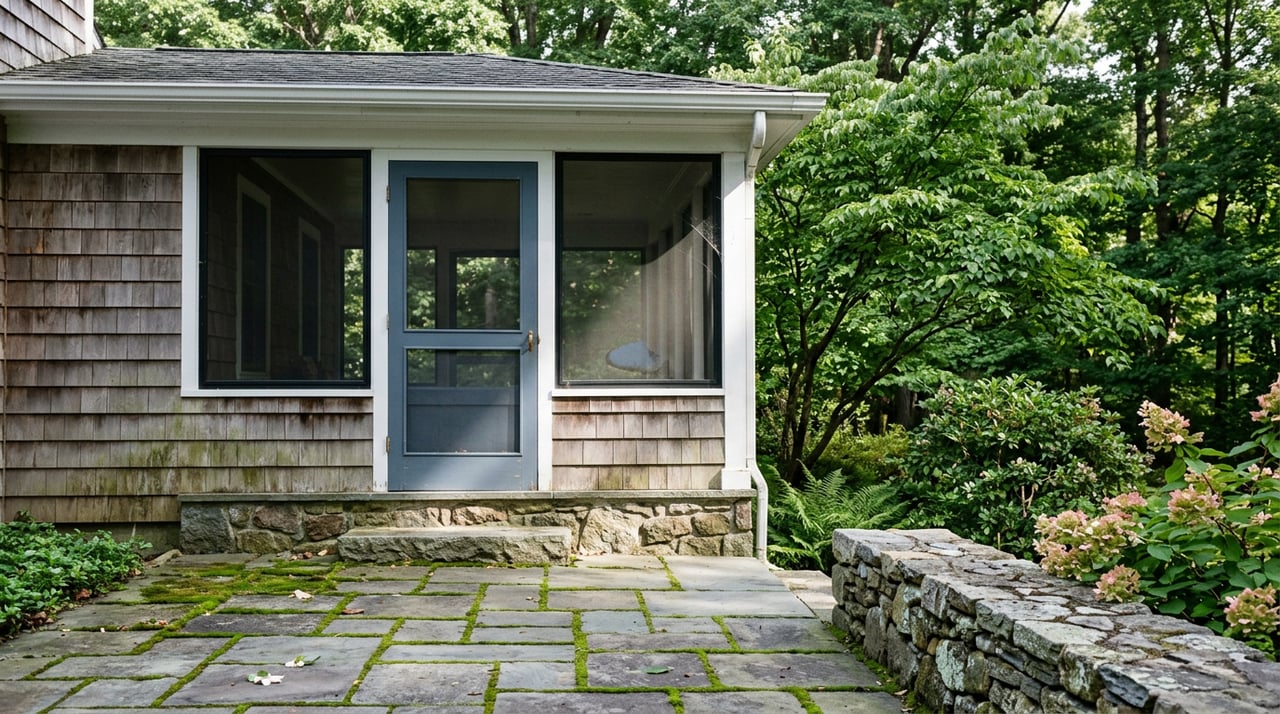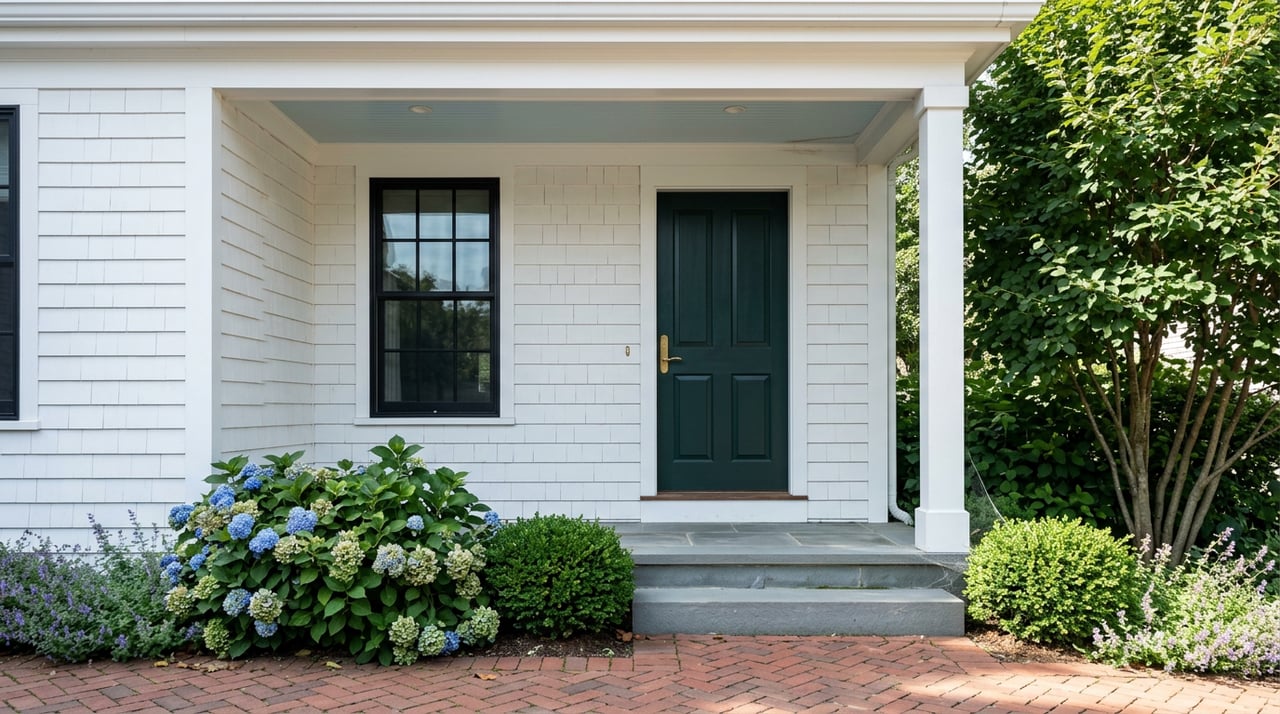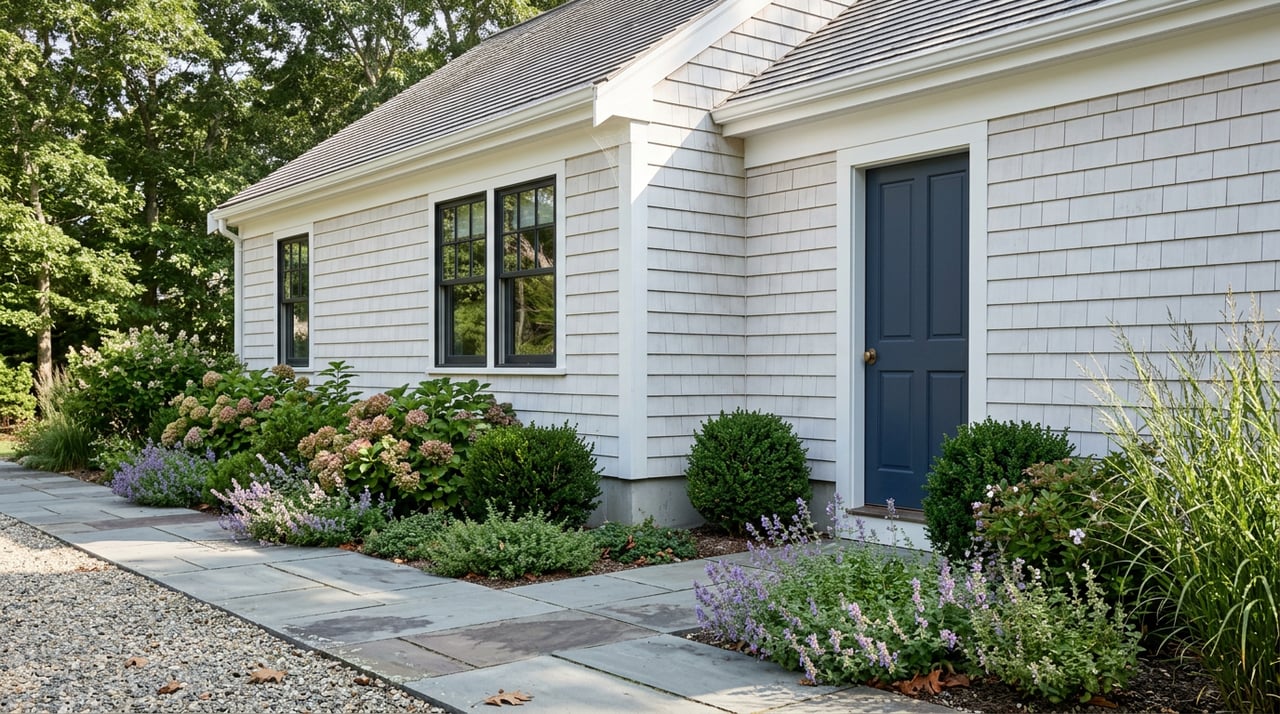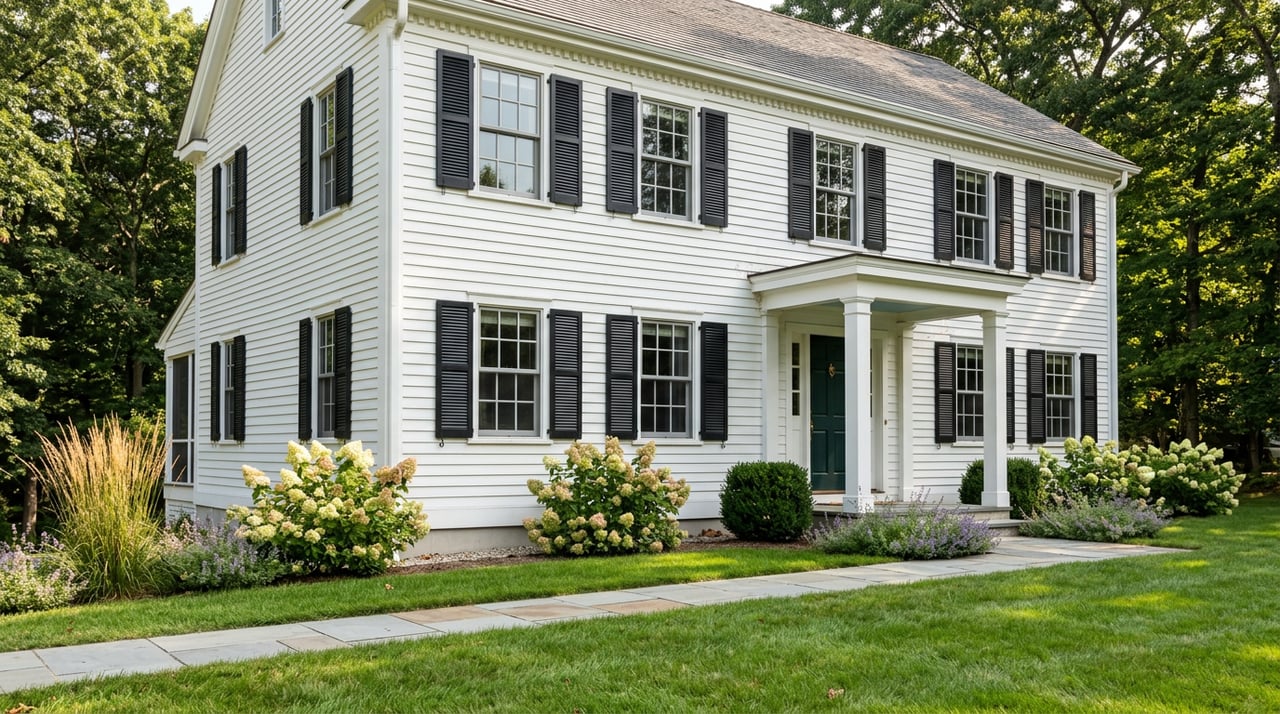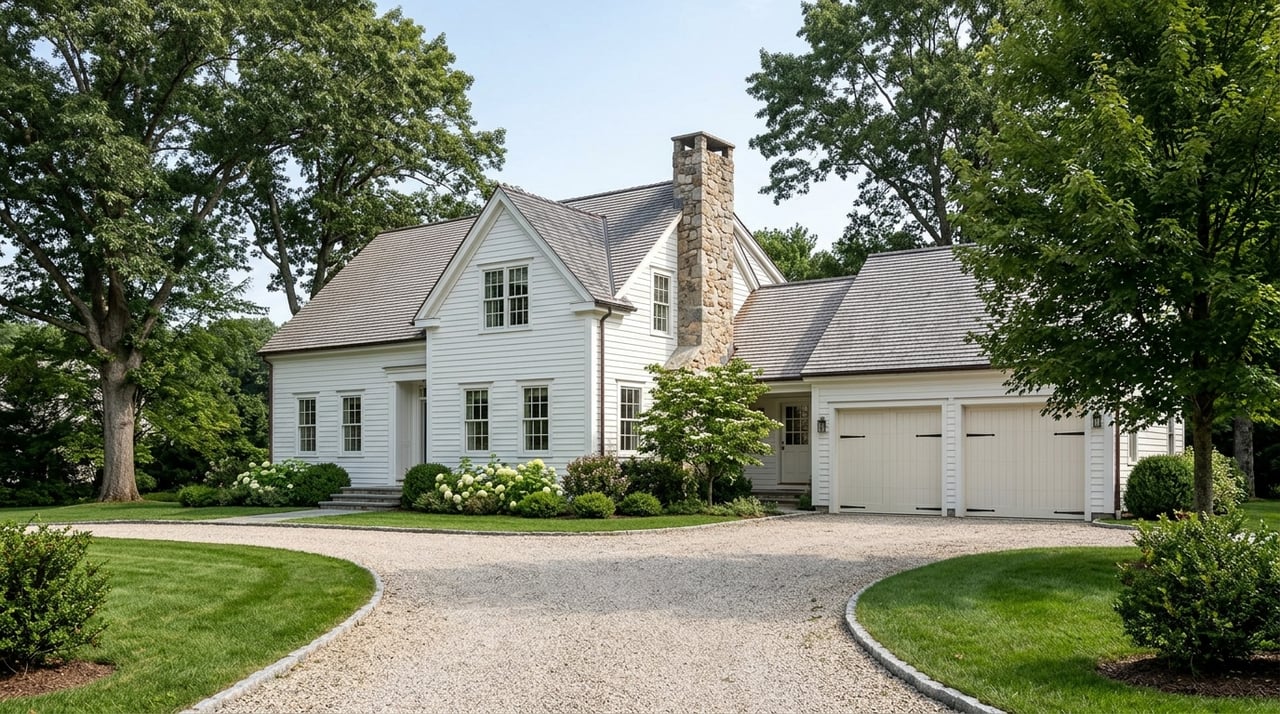
If you own a historic home in Fairfield Center, getting it ready for today’s buyer can feel like a balancing act. You want the home to show beautifully, respect its architectural character, and avoid pre-listing projects that create delays. The good news is that the smartest prep plan is usually not a full overhaul. It is a focused approach that protects what makes your home special while making the sale process smoother. Let’s dive in.
Start With Historic District Rules
Before you schedule exterior work, confirm whether your home is in one of Fairfield’s local historic districts: Southport, Greenfield Hill, or Old Post Road. Fairfield’s Historic District Commission handbook explains that many exterior changes require review.
That matters because written Historic District Commission approval is generally needed before a building permit can be issued for covered work. The same handbook notes that exterior changes such as reroofing, hardscape, and lighting may require either a Certificate of Appropriateness or a no-COA letter.
Separate Work Into Three Buckets
If you are planning to list within the next year, it helps to sort projects into clear categories before you spend money. This can keep your timeline realistic and help you avoid taking on work that may not add value before you sell.
Repair-Only Items
Under Connecticut statute, ordinary maintenance or repair that does not change appearance or design is exempt from the historic-district approval process. In practical terms, these are often the easiest items to tackle first.
Examples may include:
- Repairing existing materials without changing their look
- Addressing deferred maintenance
- Cleaning masonry, trim, or porch elements carefully
- Refreshing worn features that do not alter design
Exterior Work That May Need Approval
Fairfield’s handbook says exterior changes can trigger review, even when the work seems straightforward. If you are considering reroofing, changes to hardscape, new exterior lighting, or other visible exterior updates, build in time for review.
The handbook states that COA decisions are due within 65 days, and approved certificates are generally valid for 12 months. If your goal is to list on a specific schedule, that timeline should shape your planning.
Optional Upgrades to Reconsider
Some sellers assume a larger exterior project will automatically attract stronger offers. With a historic home, that is not always the case.
If a project is not essential, not already approved, or likely to change the home’s original appearance, it may be better to postpone it. Buyers of historic homes are often responding to authenticity, scale, and architectural detail, not a generic makeover.
Choose Repair Over Replacement
One of the most important ideas in Fairfield’s preservation guidance is simple: repair-first usually protects value better than replacement-first. That approach also tends to preserve the character that helps a historic home stand out in the market.
Preserve Original Windows
If your windows are drafty or show wear, replacement may seem like the obvious answer. But Fairfield’s handbook says historic windows should be repaired rather than replaced unless they are totally deteriorated.
If replacement becomes necessary, the new windows should closely match the original profile. That means a quick swap for a modern style that changes the look of the house may work against both preservation guidance and buyer appeal.
Repair Historic Doors
The same principle applies to doors. Fairfield’s handbook recommends repairing historic doors when possible and replacing them only when necessary and in a way that remains compatible with the home’s character.
For sellers, this is often a better investment than installing something that looks newer but less appropriate. Original or well-matched details can help your home feel more cohesive in photos and in person.
Be Careful With Siding and Roofing
Fairfield’s guidance recommends keeping or replicating authentic materials and discourages artificial siding such as vinyl or aluminum. It also states that additions should remain visually subordinate and compatible with the existing house.
If you are deciding between a quick exterior shortcut and a more sensitive repair, the repair is often the stronger move before listing. Buyers notice when a historic home feels intact and thoughtfully maintained.
Repainting Is Often the Easiest Refresh
Many sellers ask the same question: can I repaint before listing? Usually, yes.
Under Connecticut law, exterior paint color is not controlled by the local historic-district COA process, and Fairfield’s handbook also treats repainting as exempt. That makes paint one of the most practical ways to improve curb appeal without creating a lengthy approval timeline.
Fairfield’s handbook also includes period color guidance, which can be useful if you want a refreshed look that still feels appropriate to the home. A clean, well-chosen paint job can highlight trim, porch details, and architectural lines without changing the house itself.
Plan Larger Exterior Work Early
If you are thinking about a more substantial exterior project, start earlier than you think you need to. Even when a project seems manageable, approvals, revisions, and permit coordination can affect your listing timeline.
Fairfield’s handbook says the broader review standard is compatibility with the home’s historical and architectural significance, including style, scale, materials, texture, ornamentation, site layout, and visual impact on neighboring buildings. That is a wide lens, which is another reason to avoid last-minute exterior changes before going to market.
A simple rule of thumb is this: if the project changes how the home looks from the outside, verify the process first. Waiting until just before photography or launch can create unnecessary stress.
Organize Disclosures Before Listing
Historic homes often come with a longer paper trail, and that can work in your favor when it is organized well. According to the Connecticut Department of Consumer Protection’s real estate consumer guidance, sellers should complete repairs or projects before listing and use registered home improvement contractors with signed contracts.
That makes documentation especially important. Gather permits, contractor invoices, repair records, and any project history you have before the home goes live.
Review Connecticut Property Condition Forms
Connecticut’s seller guidance points owners to the Residential Property Condition Report. Effective July 1, 2025, it also points certain owners to the Residential Foundation Condition Report. The Department of Consumer Protection also notes that while regulations changed in 2024, the statutory disclosure requirement remains in place, and current templates are available through the department’s regulatory update page.
The takeaway is simple: make sure you are using the current Connecticut forms and preparing them carefully. A well-documented file can help reduce confusion once buyers begin due diligence.
Know the Lead Disclosure Rules
If your home was built before 1978, lead-based paint disclosures are a key part of pre-listing prep. Connecticut’s lead disclosure guidance says sellers must provide the lead-hazard pamphlet, disclose any known lead-based paint or hazard information, share available records or reports, attach the required disclosure to the contract, and keep the paperwork for at least three years.
After contract, buyers generally have a 10-day window to inspect for lead, though they may waive that period. Connecticut also says those inspections must be performed by a Department of Public Health licensed lead consultant contractor.
Stage the Architecture, Not Against It
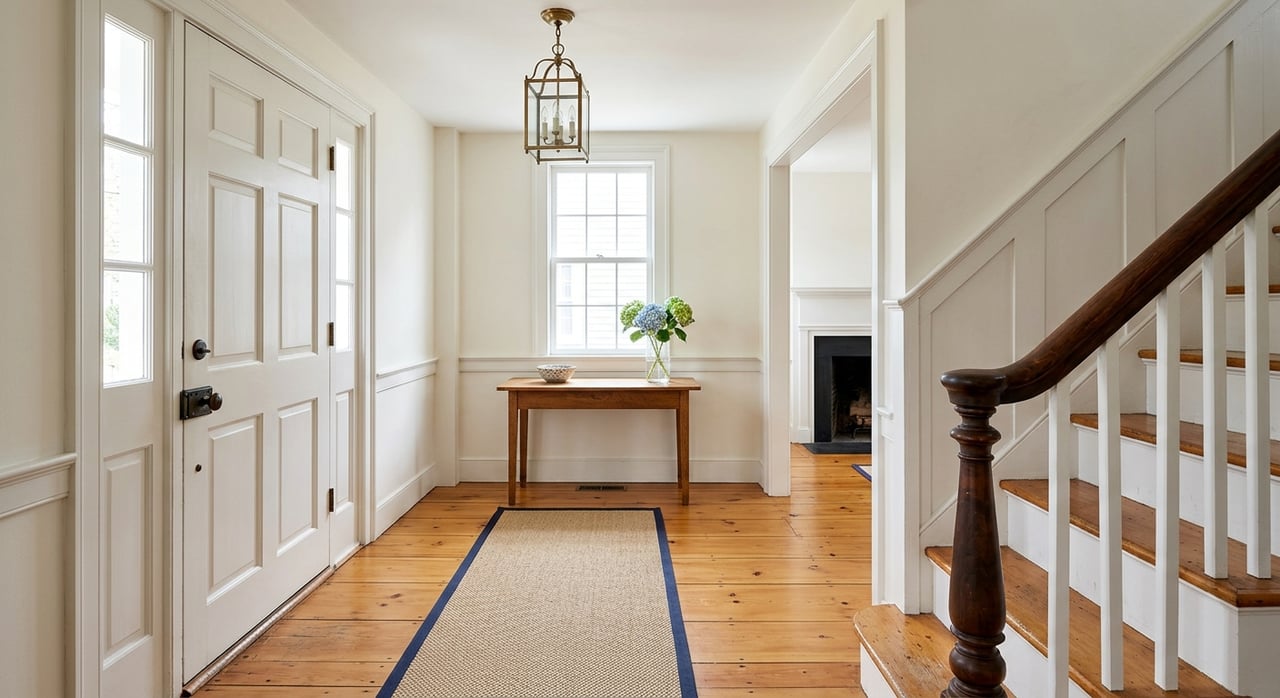
Historic homes usually show best when the architecture leads. Your goal is not to fill every room. It is to help buyers notice scale, light, millwork, fireplaces, stair details, and flow.
The National Association of Realtors reports in its 2025 Profile of Home Staging snapshot that 83% of buyers’ agents said staging made it easier for buyers to visualize the property as a future home. The most commonly staged rooms were the living room, primary bedroom, and dining room.
For a Fairfield historic home, that usually supports a simple strategy:
- Remove visual clutter
- Edit oversized or distracting furniture
- Keep finishes and accessories restrained
- Let original details remain visible in photos
- Focus staging on key rooms buyers notice first
When staging is done well, buyers can appreciate both the home’s history and its livability.
What Today’s Buyers Want to See
Today’s buyers are often drawn to historic homes because they offer something newer homes may not: craftsmanship, proportion, and a distinct sense of place. But they still want clarity around condition, maintenance, and next steps.
That is why the best pre-listing plan is usually one that combines thoughtful repair, careful presentation, and organized documentation. Instead of stripping away character, you are showing buyers that the home has been respected and responsibly maintained.
If you are preparing a Fairfield Center historic home for sale, the right strategy can help you protect what makes the property special while presenting it in a way that feels polished and current. When you are ready for expert guidance on timing, presentation, and positioning, connect with Jackie Davis for a confidential conversation about your home.
FAQs
Can I repaint a Fairfield historic home before listing?
- Yes. Under Connecticut law, exterior paint color is not controlled by the local historic-district COA process, and Fairfield’s handbook treats repainting as exempt.
Should I replace old windows in a Fairfield historic home before selling?
- Usually not. Fairfield’s handbook says historic windows should be repaired rather than replaced unless they are totally deteriorated, and any replacement should closely match the original profile.
How early should I start exterior work on a Fairfield historic home?
- Start early enough to account for Fairfield’s stated 65-day COA review window, plus any added time for revisions, approvals, or permit coordination.
What disclosures matter most when selling a Fairfield historic home?
- The key items are the current Connecticut property condition forms and, for homes built before 1978, the required lead-based paint disclosures and related records.
What rooms should I prioritize when staging a Fairfield historic home?
- Based on NAR’s 2025 staging snapshot, the rooms most commonly staged are the living room, primary bedroom, and dining room.