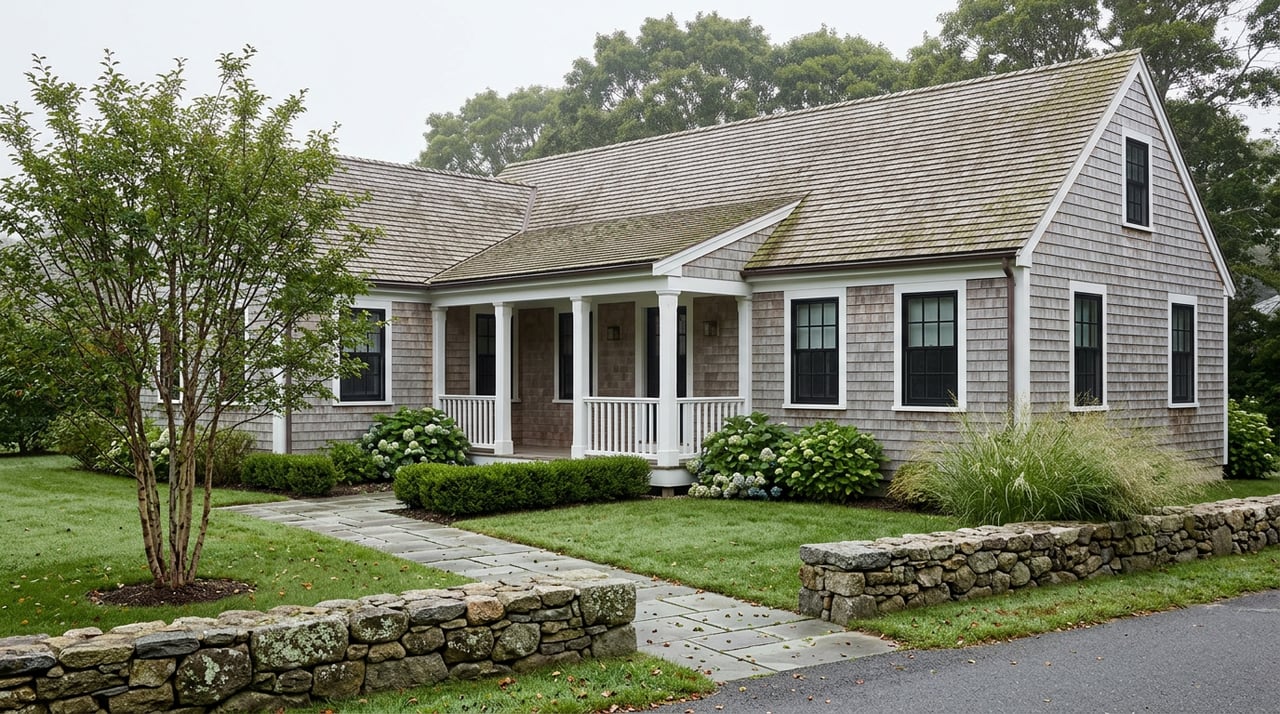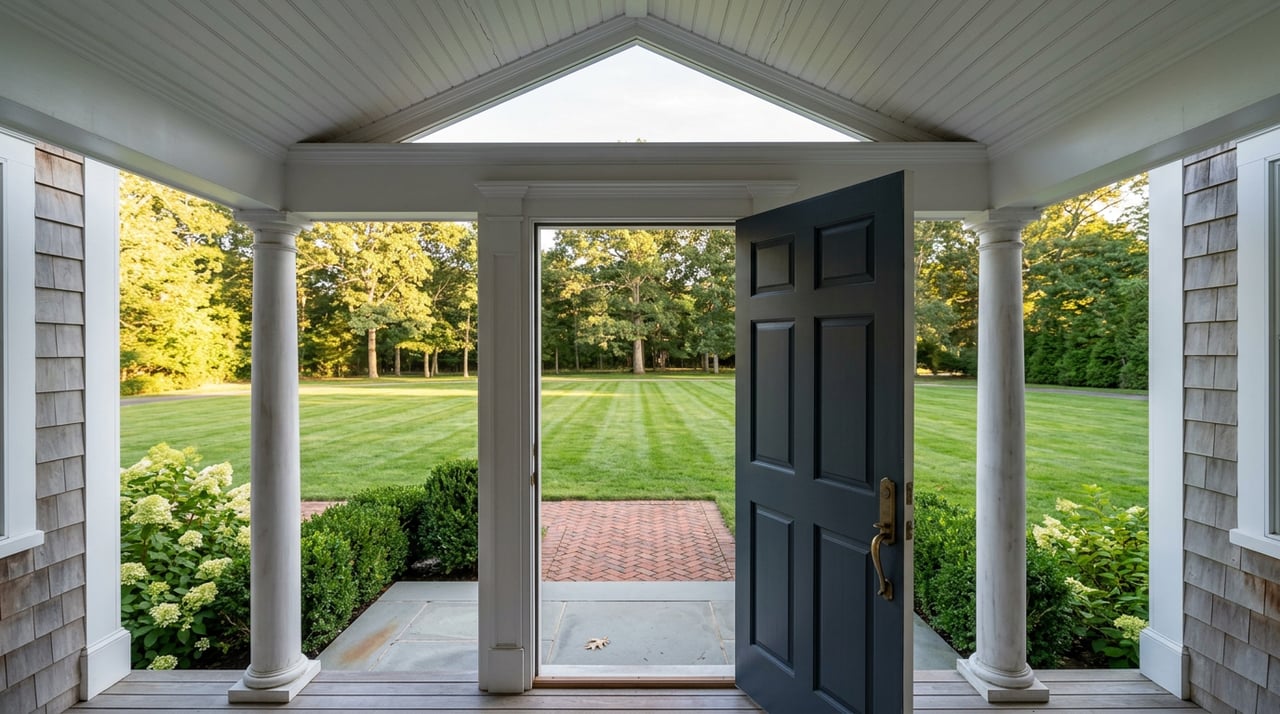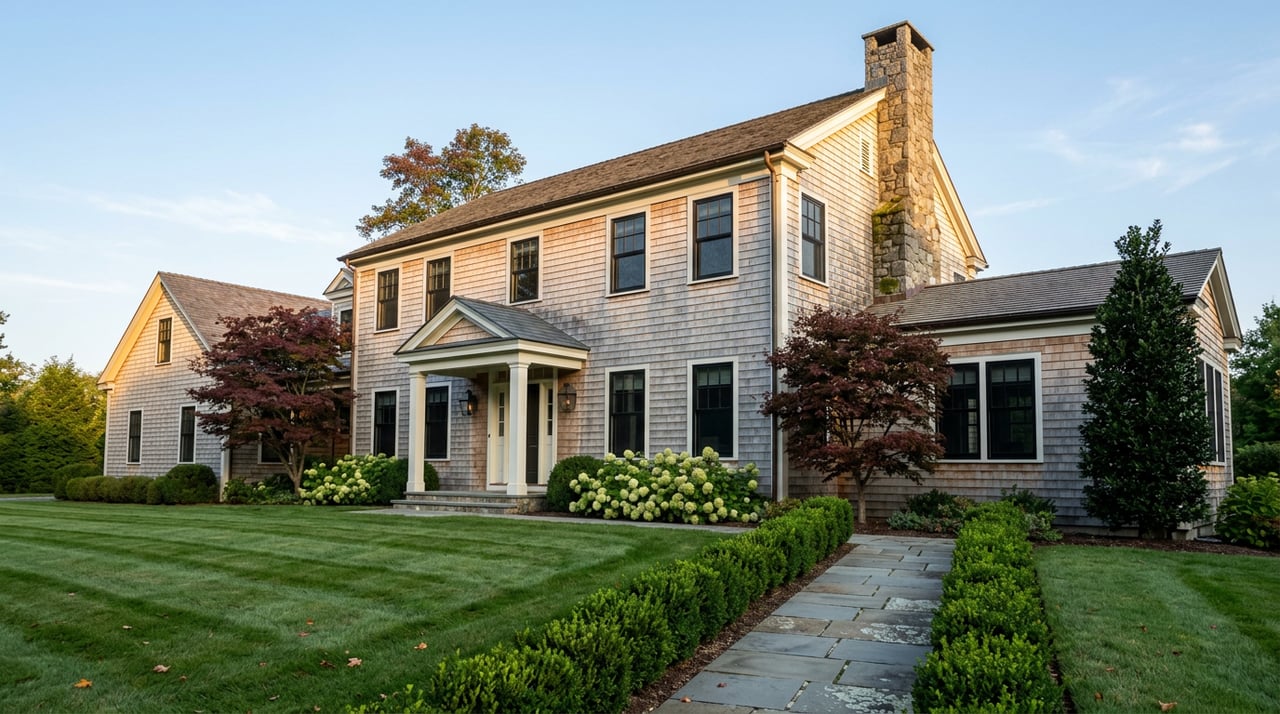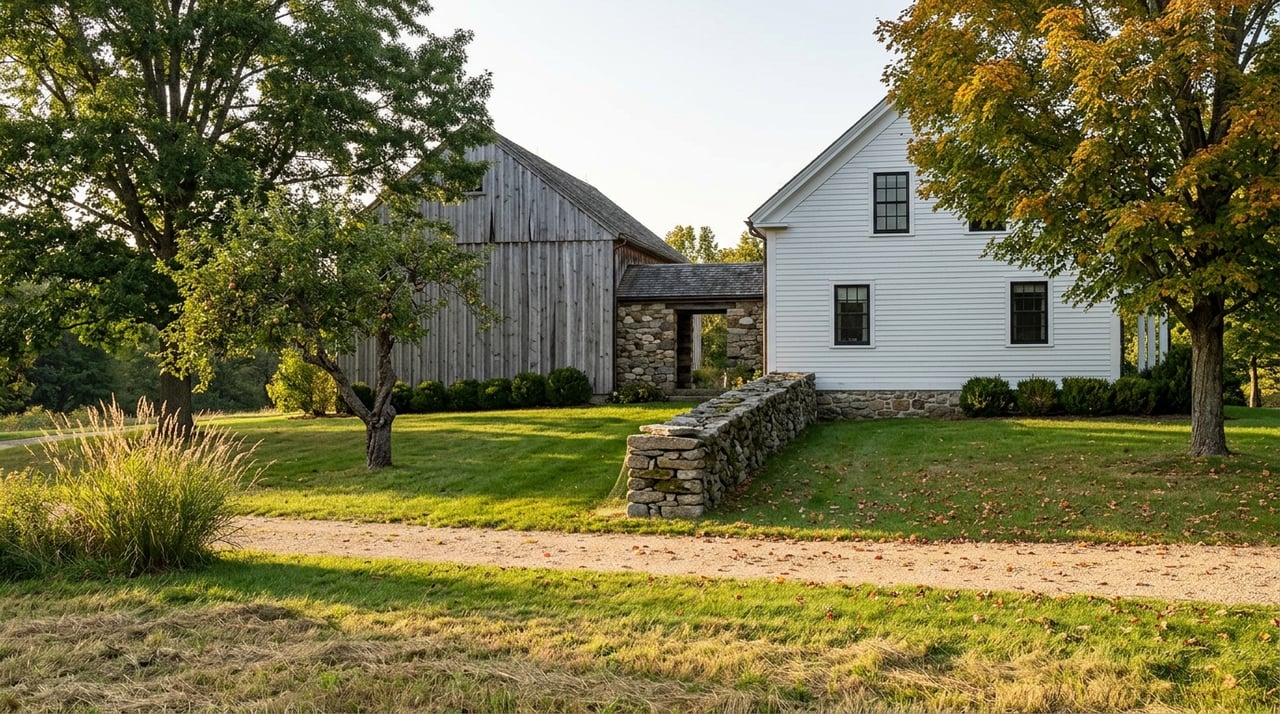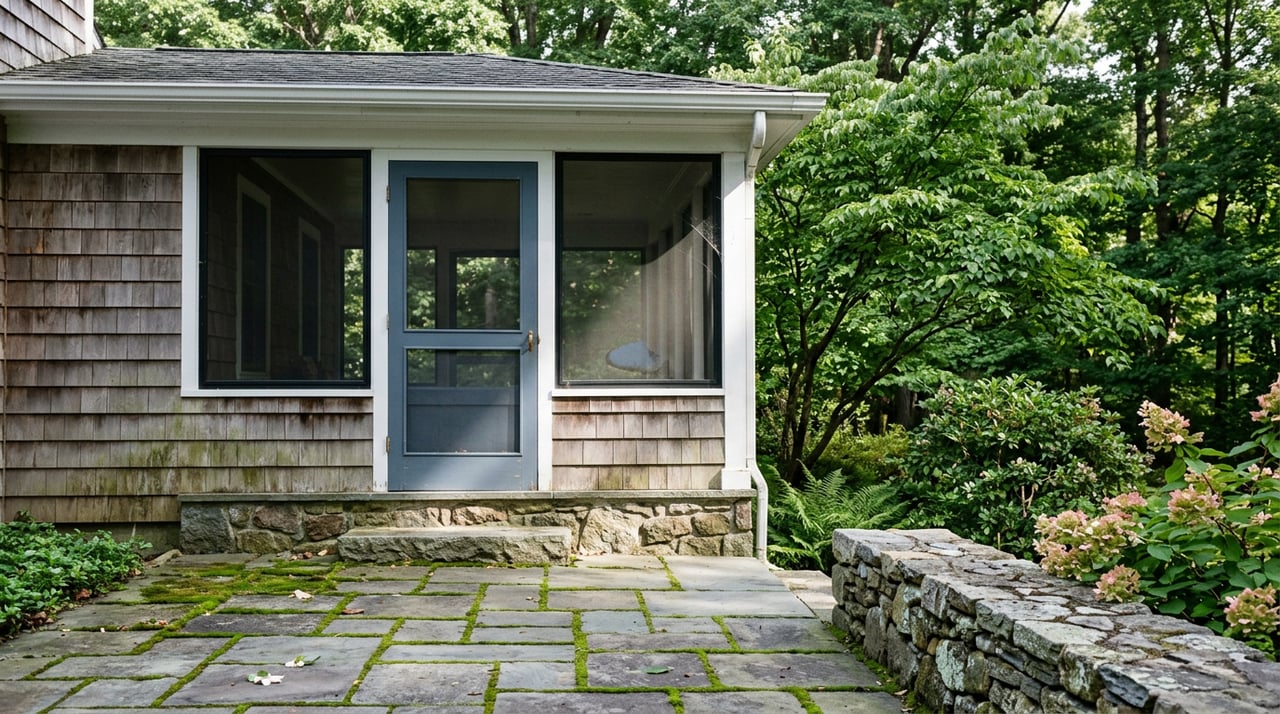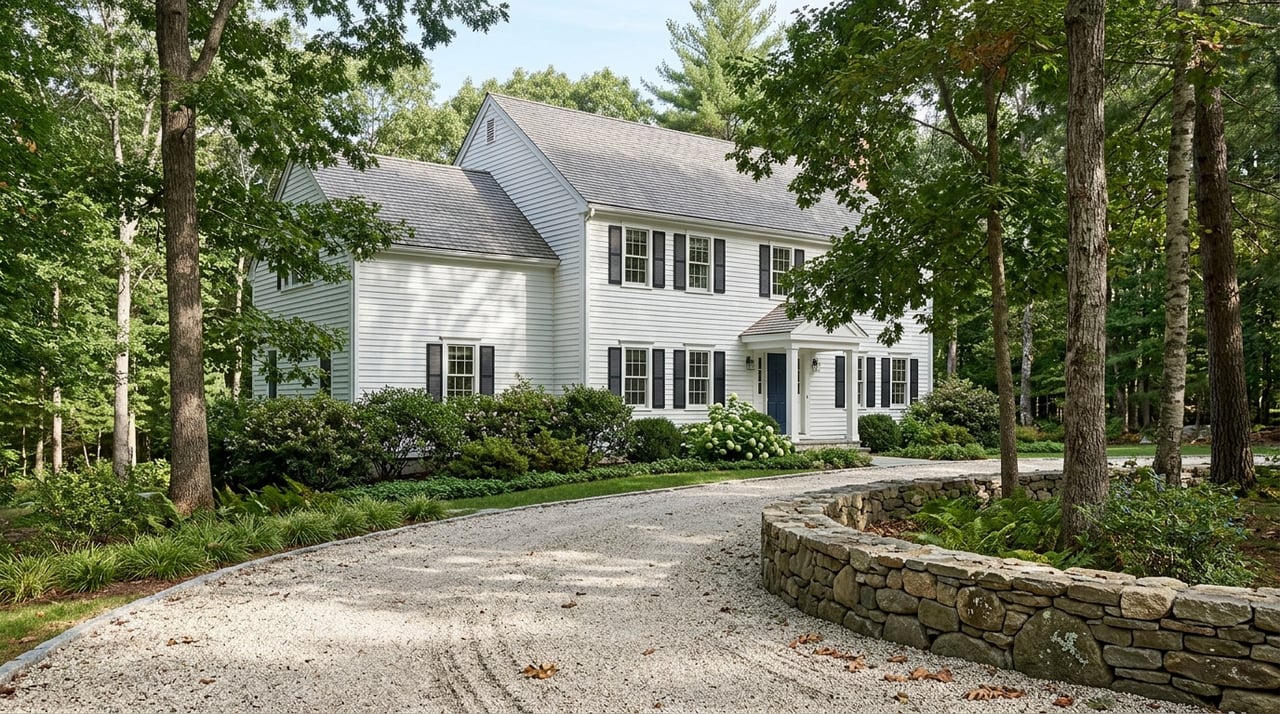
If you are torn between Wilton and Weston, you are not alone. Both towns offer the wooded Fairfield County setting many buyers want, along with strong public school systems and a quieter pace than denser suburban markets. The challenge is that they deliver that lifestyle in slightly different ways, and understanding those differences can help you choose with confidence. Let’s dive in.
Wilton vs. Weston at a glance
At a high level, Wilton and Weston share a lot. Both are low-density Fairfield County towns with a country-town feel, meaningful open space, and strong buyer appeal tied to schools, privacy, and overall quality of life.
The main difference is how each town balances space and convenience. Wilton blends a semi-rural setting with more housing variety, village-center activity, and transit access. Weston is more consistently rural, with larger-lot zoning, minimal commercial development, and a more private, tucked-away feel.
Choose Wilton if you want more flexibility
Wilton is often the better fit if you want country-town living without feeling too far removed from daily conveniences. The town’s planning documents describe a semi-rural and suburban community with low-density neighborhoods, multiple village centers, protected open space, and a strategy that includes mixed-use and transit-oriented redevelopment.
In real terms, that means you can find wooded neighborhoods and a more estate-like feel, but still have access to a more active town-center environment. For many buyers, that mix creates a practical middle ground between privacy and ease.
Wilton offers more varied housing options
Wilton’s zoning includes both 1-acre and 2-acre residential districts. That helps explain why the town can feel spacious and leafy while still offering more variation in lot size, neighborhood layout, and housing options than Weston.
If you do not need the most uniform large-lot setting, this matters. It can open the door to more choices in style, setting, and price point while still preserving the country-town character many buyers are after.
Wilton may suit commuters better
Wilton has the more flexible commute story based on the research. Its town profile notes access to the Norwalk Transit District and Metro-North, and it reported a pre-COVID mean commute time of 39 minutes.
Planning documents also emphasize Wilton Center, the train station area, civic spaces, and destination retail. If your weekly routine includes commuting, errands, or wanting services closer at hand, Wilton may feel easier to navigate day to day.
Wilton combines open space with activity
Wilton still delivers the natural setting that draws buyers to this part of Fairfield County. According to the town’s Plan of Conservation and Development, about 23% of Wilton is open space and roughly 2,000 acres are protected.
The Norwalk River Valley Trail is also highlighted as a major local amenity. For buyers who want a wooded setting but still appreciate some connection to a town center and shared community spaces, Wilton can offer a balanced lifestyle.
Choose Weston if you want maximum privacy
Weston is often the better fit if your priority is a more consistent country setting with fewer commercial areas and larger residential lots. The town describes itself as a residential community about 45 miles from New York City with two-acre zoning, minimal commercial development, and a small town-center hub.
That creates a very specific feel. Weston tends to appeal to buyers who want a quieter environment, more separation between homes, and a lifestyle shaped less by town-center activity and more by land, privacy, and calm.
Weston is defined by two-acre zoning
Weston’s two-acre residential pattern is one of its clearest defining traits. The town highlights two-acre property zoning as a core feature, and its zoning code reinforces that scale with a 2-acre minimum lot area in key residential districts.
For buyers, this usually translates into a more uniform sense of space. If you want the strongest shorthand for privacy-first country living in this comparison, Weston is the clearer match.
Weston keeps commercial activity limited
Weston’s town center serves as the primary commercial destination, with everyday conveniences such as a market, bank, post office, and restaurant. At the same time, the town emphasizes its rural setting and the absence of heavily trafficked commercial roads.
That distinction matters. If you value a quieter atmosphere and do not mind driving a bit more for a broader mix of services, Weston’s low-commercial character may feel like a benefit rather than a tradeoff.
Weston leans heavily into conservation
Both towns are wooded, but Weston stands out for the scale of land reserved for watershed and conservation purposes. Its town plan reports 2,866 acres reserved for those uses alone, which is more than 20% of the town.
That level of preserved land helps reinforce the sense of seclusion many buyers want. If your ideal town feels deeply natural, low-density, and intentionally protected from overdevelopment, Weston checks that box well.
Comparing home prices and inventory
Price is often part of the decision, especially when two towns offer similar broad lifestyle benefits. Based on 2021 town profiles, Wilton reported a median home value of $793,200, while Weston reported a median home value of $868,200.
More current listing snapshots show the gap continuing. Realtor.com data for April 2026 shows a median listing price of $1.175 million in Wilton’s 06897 ZIP code and $1.462 million in Weston’s 06883 ZIP code.
Inventory also differs. The same market snapshot shows 57 homes for sale in Wilton and 32 in Weston, with median days on market of 33 and 36 respectively.
What that means for buyers
In simple terms, Wilton may offer more room to compare options. Weston may offer fewer choices at any given time, but those choices tend to align more tightly with the large-lot, privacy-oriented lifestyle many Weston buyers want.
If budget flexibility matters, Wilton may be the easier market to start in. If your top priority is a very specific land-and-privacy profile, Weston may justify the narrower and higher-priced field.
How the schools compare
Both towns are strongly associated with their public schools, and both districts post results above the state graduation rate. For many buyers, that keeps both Wilton and Weston on the shortlist from the start.
According to the 2024-25 Connecticut EdSight district reports, Wilton Public Schools reported a 97.8% four-year graduation rate, an 87.8 accountability index, and 89.9% postsecondary entrance for the Class of 2024. Weston Public Schools reported a 95.6% four-year graduation rate, an 87.1 accountability index, and 85.3% postsecondary entrance.
These are both high-performing districts based on the available data. Wilton shows a slight edge on the latest published metrics, but Weston remains in the same broad tier for buyers prioritizing public school performance.
Which town fits your lifestyle?
The best choice usually comes down to how you want your daily life to feel. Both towns deliver space, trees, and a quieter Fairfield County experience, but the rhythm of each town is a little different.
If you want more housing variety, easier access to transit, and a stronger mix of town-center convenience with country character, Wilton may be your best fit. If you want a more consistent large-lot setting, fewer commercial corridors, and a stronger sense of seclusion, Weston may be the better match.
Wilton may be right for you if you want:
- Wooded neighborhoods with more zoning variation
- A more flexible commute setup
- Village-center activity and everyday convenience
- More homes on the market at a given time
- Country living with a slightly more connected feel
Weston may be right for you if you want:
- A more uniform two-acre lifestyle
- Strong privacy and lower-density surroundings
- Minimal commercial development
- A quieter, more insular setting
- A town identity closely tied to conservation and open land
Final thoughts on choosing between Wilton and Weston
There is no wrong answer here. Wilton and Weston both offer a compelling version of Fairfield County country-town living, but they serve different priorities.
The key is to be honest about what matters most to you. If convenience, variety, and commuting flexibility rank high, Wilton may feel like the smarter match. If privacy, acreage, and a more purely rural setting lead your list, Weston may be the one that feels like home.
When you are ready to compare homes, neighborhoods, and market strategy in either town, Jackie Davis can help you navigate the decision with local insight and a concierge-level approach.
FAQs
How do Wilton and Weston differ in overall feel?
- Wilton offers a semi-rural setting with more village-center activity, housing variety, and transit access, while Weston is more consistently rural with larger-lot zoning and limited commercial development.
Which town has larger typical lot sizes, Wilton or Weston?
- Weston is more closely defined by two-acre zoning, while Wilton includes both 1-acre and 2-acre residential districts, creating more variation in lot size.
Is Wilton or Weston more expensive for homebuyers?
- Based on the April 2026 market snapshot in the research report, Weston has the higher median listing price at $1.462 million compared with $1.175 million in Wilton.
Which town offers more convenience for commuters, Wilton or Weston?
- Wilton has the more flexible commute profile in the research, with Metro-North access, local transit connections, and a slightly shorter reported pre-COVID mean commute time.
How do Wilton and Weston public schools compare?
- Both districts reported outcomes above the state graduation rate in the 2024-25 Connecticut EdSight reports, with Wilton showing a slight numerical edge on graduation, accountability, and postsecondary entrance metrics.
Is Weston or Wilton better for a privacy-focused buyer?
- Weston is usually the stronger fit for buyers who want a more uniform large-lot environment, less commercial activity, and a quieter overall setting.