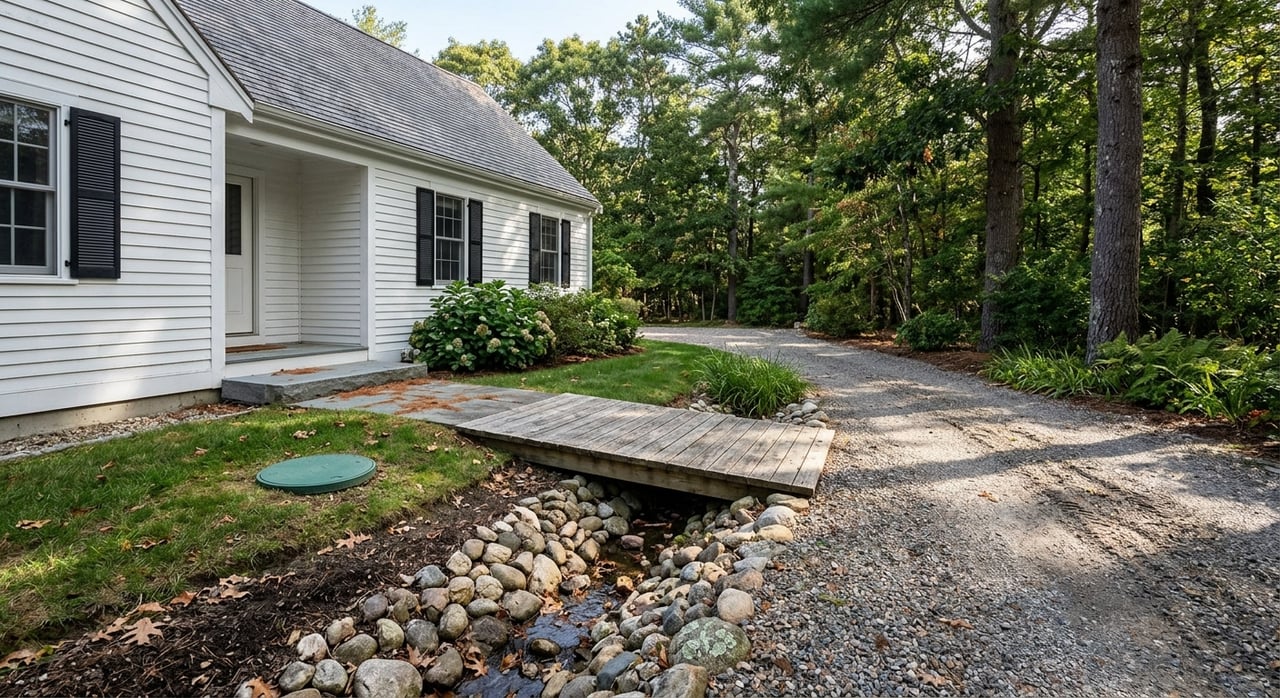
If you are thinking about buying in Weston or Easton, it helps to know that you are not just buying a house. You are often buying land, private systems, and a rural setting shaped by local rules. That can feel like a lot at first, but it also explains why these towns have such lasting appeal. In this guide, you will learn what matters most about wells, septic, wetlands, conservation limits, and access before you make an offer. Let’s dive in.
Why land matters in Weston and Easton
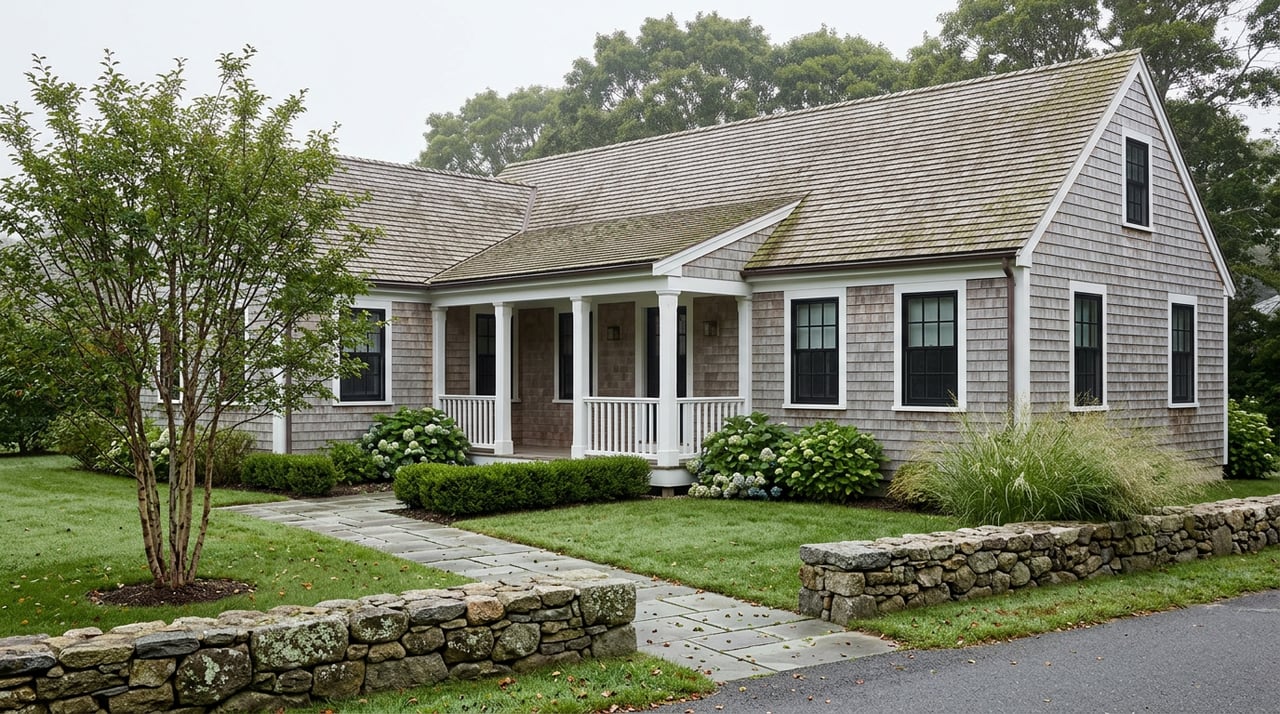
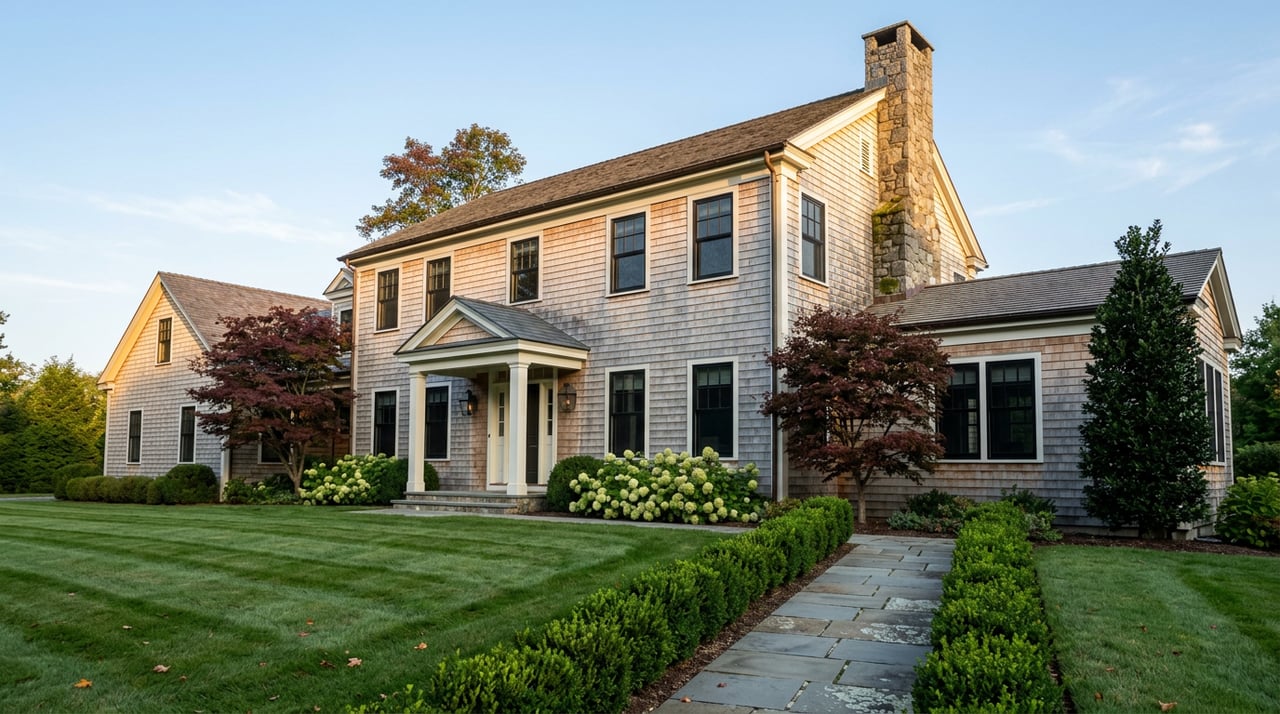
Weston and Easton are both known for larger parcels and a country setting, but that setting is not accidental. Weston’s zoning regulations describe the town as predominantly rural residential, with rules intended to protect land value, water resources, traffic circulation, and rural character.
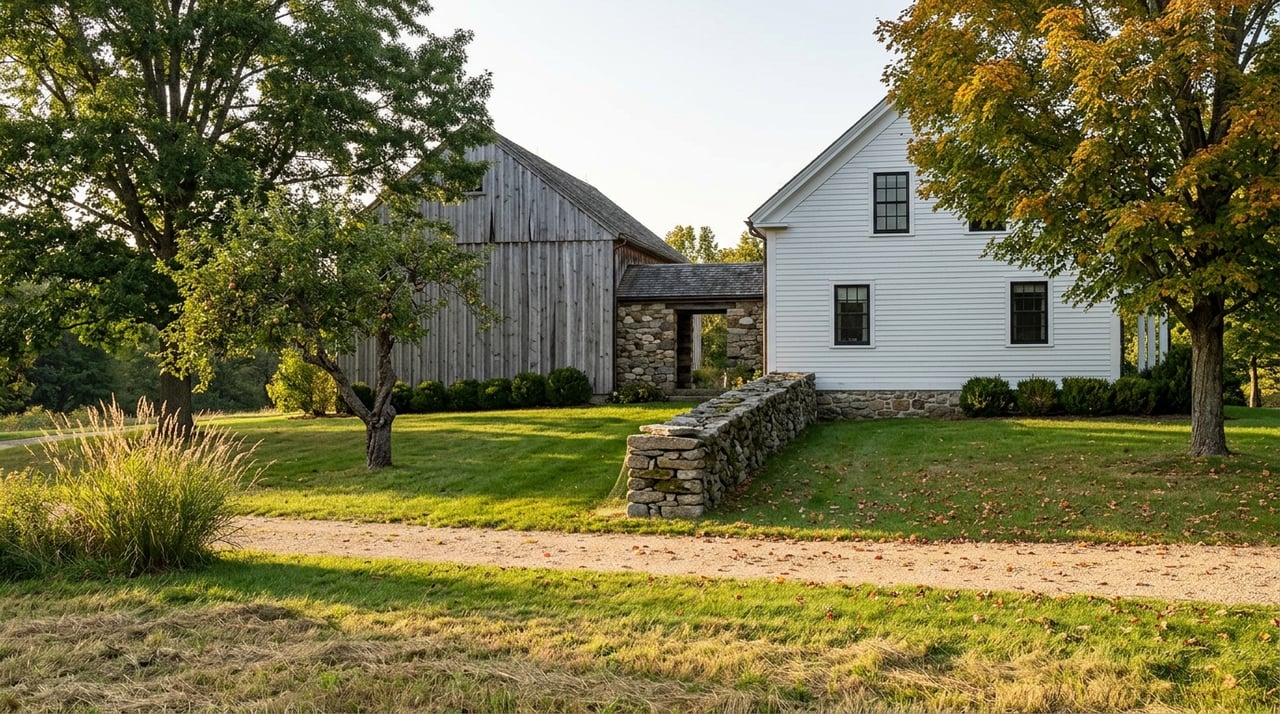
Easton has a similar conservation-minded identity, but with its own distinct framework. The town describes itself as having more than twenty working farms and more than one third of its land preserved, and its zoning includes conservation-development rules that keep meaningful portions of some parcels as open space in perpetuity.
For you as a buyer, that means acreage is only part of the story. A five-acre property may look expansive on paper, yet the truly usable area may depend on the location of the well, septic field, wetlands, slopes, floodplain, and any conservation restrictions.
Think in terms of house plus systems
In many suburban markets, public water and sewer reduce some of the questions you need to ask. In Weston and Easton, private wells and septic systems are often central to the transaction.
Aspetuck Health District serves both towns and oversees environmental health matters under the Connecticut Public Health Code and local sanitary code. The district reviews plans, issues permits, and conducts inspections for new septic installations and repairs to existing systems.
That is why a home here should be treated as a systems purchase, not just a house purchase. The age, placement, approval history, and documentation tied to those systems can affect your repair exposure, financing path, and closing timeline.
What to know about septic systems
Septic due diligence starts with one simple point: not all inspections are the same. Connecticut does not certify septic system inspectors, and the state says there are no mandatory inspection procedures that every inspector must follow.
Because of that, the scope and quality of an inspection can vary. Connecticut guidance recommends asking whether the inspector uses the Connecticut Recommended Minimum Existing Septic System Inspection Report.
That question matters more than many buyers realize. A quick look at a tank or a casual opinion is not the same as a structured review of the system’s condition and function.
You should also ask for the property’s local file, not just the seller’s memory of what was done and when. Aspetuck Health District records may include useful documents such as as-built plans and well completion reports, which can help you understand how the property was originally laid out and whether any repairs or changes were documented.
Septic questions to ask early
- How old is the septic system?
- When was it last pumped?
- Is there an as-built plan on file?
- Is there any documented repair history?
- Where is the septic field located in relation to the house, driveway, and possible future improvements?
These questions can give you a much clearer picture of both current condition and future flexibility.
What to know about private wells
Private wells come with a different kind of responsibility. Connecticut says homeowners with private wells are generally responsible for their own water quality, and testing is the best way to confirm the water is safe.
The Connecticut Department of Public Health recommends annual basic-indicator testing for all private wells. It also says testing is highly recommended when you are buying a home.
One detail is especially important during a purchase. The state notes that water tests tied to a home sale are usually required by the mortgage lender rather than by law, and a lender-required test may not cover every contaminant that could matter for the property.
In practical terms, you do not want to assume that a minimum lender panel tells you everything you need to know. Early well testing, with a panel appropriate to the property and your lender, can help avoid surprises late in the transaction.
Well questions worth asking
- Is there a well completion report on file?
- What water testing has been done recently?
- Does your lender require specific water-quality results?
- Is additional testing appropriate beyond the lender’s minimum?
Wetlands and conservation can limit use
One of the biggest surprises for buyers moving from smaller-lot towns is that not every part of a parcel is equally usable. In Weston, inland wetlands regulations cover a wide range of activities within 100 feet of a wetland or watercourse boundary, including clearing, grading, paving, excavating, and stormwater discharge.
Weston’s zoning rules add another layer when soil disturbance is involved. The town requires surveys showing wetland locations and certifications that proposed work will not increase stormwater discharge, change runoff direction, or increase erosion under a 50-year storm. Additional erosion-control measures or a performance bond may also be required.
Easton follows a similarly careful review process through its Conservation Commission and Inland Wetlands Agency. The town’s conservation-development regulations identify wetlands, watercourses, vernal pools, steep slopes, and floodplain as primary conservation areas, and they state that significant portions of some parcels should remain open space in perpetuity.
For you, the takeaway is simple. A beautiful lot may still have a smaller buildable or alterable envelope than you expect once wetlands, slopes, floodplain, buffers, and conservation land are mapped.
Future plans need early review
If you are dreaming about adding a pool, expanding the house, building a garage, or reworking the driveway, those plans should be evaluated early. In these markets, future use is often tied closely to land constraints and permitting pathways.
That does not mean improvements are impossible. It means assumptions can be expensive.
A parcel that feels generous during a showing may become more limited after you map regulated areas and system locations. Reviewing those factors before you commit can help you understand what is realistic and what may require additional engineering or town review.
Driveways are more important than they look
Long driveways are part of the appeal in Easton and Weston. They can create privacy and a true country feel, but they also bring design, drainage, maintenance, and emergency-access considerations.
Easton’s rules are especially clear on this point. Driveways must be at least 10 feet wide, and 12 feet wide if they are more than 200 feet long. The town also requires review of sight lines, stormwater controls, fire-apparatus access, loading standards, and safe access over curves, bridges, and steep grades.
For some shared or longer access arrangements, easements, maintenance covenants, turnarounds, and visible address signs may also be required. Those details can affect both upfront planning and long-term ownership costs.
Weston’s published permit materials reviewed here do not list the same level of driveway detail, but they do show that site conditions, health approval, and in some cases conservation review matter early in the process. Weston also applies scrutiny to runoff and erosion when soil disturbance is involved.
Weston and Easton are similar, but not identical
These towns often attract the same buyers because they offer space, privacy, and a conservation-minded setting in Fairfield County. Even so, they should not be treated as interchangeable.
Weston and Easton share the broad realities of rural residential ownership, including private systems, environmental review, and land-use limits. At the same time, local thresholds, driveway rules, layout considerations, and review processes can differ enough to shape what is practical on a specific property.
That is why local, property-specific due diligence matters. Two homes with similar acreage and price points may carry very different levels of flexibility, maintenance responsibility, and long-term risk.
A smart buyer checklist
Before you move forward on a property in Weston or Easton, keep this checklist in mind:
- Confirm septic age, pump history, as-built plan, and any prior repairs.
- Request the local health-district file for available records.
- Order private-well testing early in the process.
- Make sure the testing panel fits both the property and lender requirements.
- Map wetlands, upland review areas, floodplain, steep slopes, and conservation easements.
- Ask whether planned changes like an addition, pool, garage, or driveway expansion are likely to require engineering or town review.
- Review driveway length, grade, drainage, and emergency access before assuming a property will be simple to maintain or modify.
Why this diligence protects your investment
The features that make Weston and Easton special also make them more nuanced to buy in. Privacy, mature landscapes, preserved land, and larger parcels can support lasting appeal, but they come with more variables than a typical public-water, public-sewer purchase.
When you understand those variables upfront, you can make better decisions with fewer surprises. You can compare properties more accurately, negotiate with stronger context, and buy with a clearer view of both current value and future use.
If you are considering Weston or Easton and want clear, property-specific guidance, Jackie Davis can help you evaluate the land, systems, and local review factors that matter before you commit.
FAQs
What should buyers in Weston or Easton know about septic inspections?
- Connecticut does not certify septic inspectors, and the state says there is no single mandatory inspection procedure for all inspections, so you should ask about the scope of the inspection and whether the inspector uses the Connecticut Recommended Minimum Existing Septic System Inspection Report.
What should buyers in Weston or Easton know about private well testing?
- Connecticut recommends annual basic-indicator testing for private wells and says testing is highly recommended when buying a home, and you should remember that a lender-required test may not cover every issue that matters for the property.
What should buyers in Weston or Easton know about wetlands and buildable land?
- A large parcel does not always mean a large usable area, because wetlands, buffers, slopes, floodplain, and conservation restrictions can reduce the part of the property that can be built on or altered.
What should buyers in Easton know about long driveway requirements?
- Easton requires driveways to be at least 10 feet wide, or 12 feet wide if they are more than 200 feet long, and the town also reviews factors such as sight lines, stormwater controls, and emergency access.
What should buyers in Weston or Easton request from local records?
- You should ask for available local health-district records, which may include as-built septic plans and well completion reports that help verify system layout and past documentation.