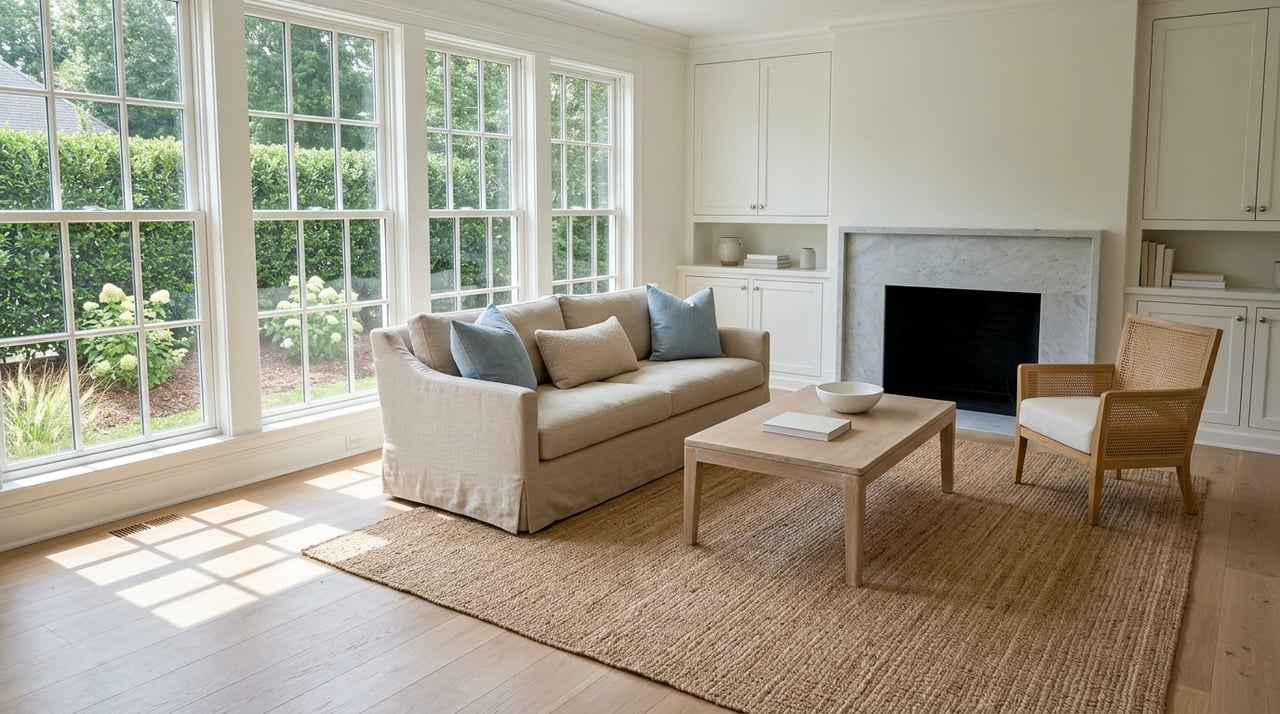
If your Fairfield home is going to make a strong first impression, it needs to do it fast. Buyers often begin with photos, compare multiple homes in a short window, and decide quickly which ones feel worth seeing in person. In a market like Fairfield, where homes are moving quickly and presentation can influence both interest and offers, smart staging is not optional. It is part of how you protect value, highlight your home’s strengths, and stand out from the start. Let’s dive in.
Why staging matters in Fairfield
Fairfield is a fast-moving market. Recent data shows a median listing price around $1.07 million, about 214 active homes, a median of 23 days on market, and a sale-to-list ratio near 102% in May 2026. In Fairfield Beach, the median listing price is even higher at about $2.749 million, with 27 homes for sale.
That kind of market can make it tempting to assume any well-located home will sell quickly on its own. But speed does not remove the need for preparation. It actually raises the stakes because buyers are comparing homes quickly, first online and then in person, and the homes that feel clear, polished, and easy to understand tend to win attention first.
National staging research supports that point. The National Association of Realtors found that 81% of buyers’ agents said staging made it easier for buyers to visualize a property as a future home. The same research found 40% said buyers were more willing to walk through a home they saw online, and 20% said staging increased the dollar value offered by 1% to 5% compared with similar unstaged homes.
For Fairfield sellers, the takeaway is simple. Staging is not about decorating for decoration’s sake. It is about helping buyers connect with your home quickly, confidently, and emotionally.
Start with the rooms buyers notice most
Not every room carries the same weight. According to NAR’s staging profile, the spaces buyers care about most are the living room, the primary bedroom, and the kitchen.
That matters in both Fairfield Beach and Fairfield Center. Whether your home is a smaller cottage near the shoreline, a classic Colonial near town, or a townhome with a compact layout, these rooms often shape the strongest emotional response. If your staging budget or time is limited, start there.
Focus on making each of these spaces feel bright, open, and easy to read. Buyers should understand the room’s purpose right away and see enough open space to imagine how they would live there.
Staging Fairfield Beach homes
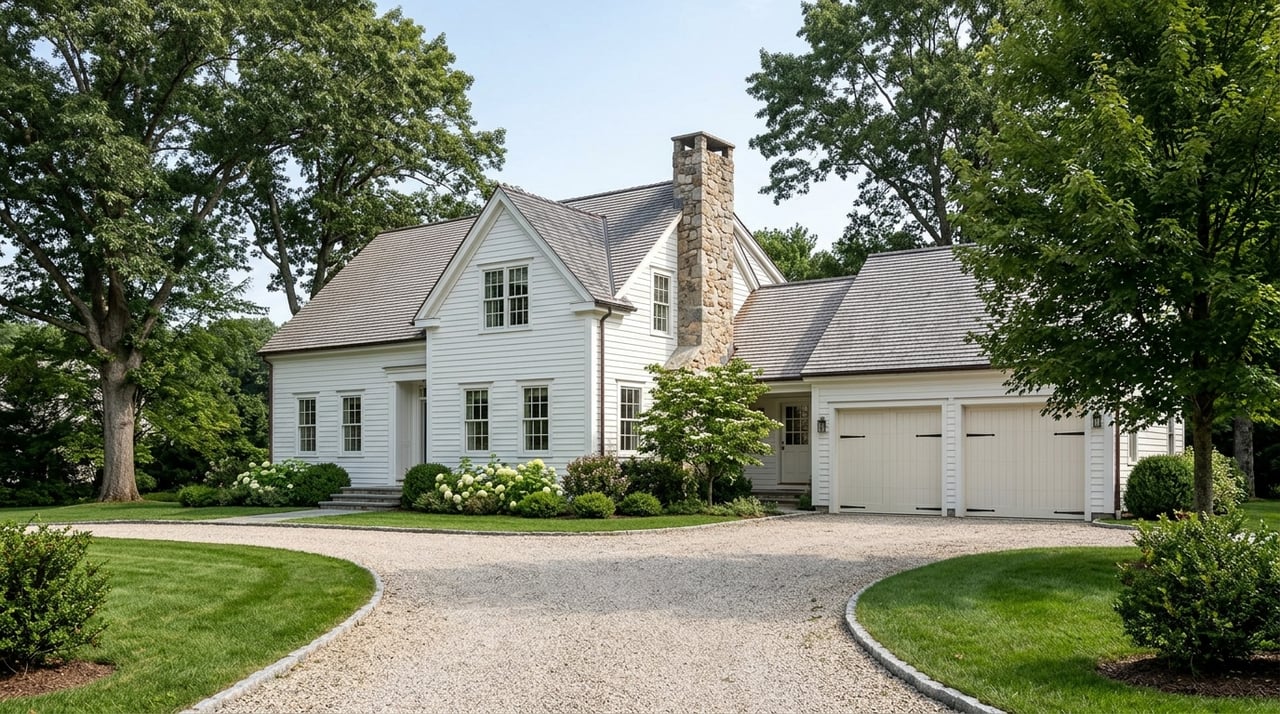
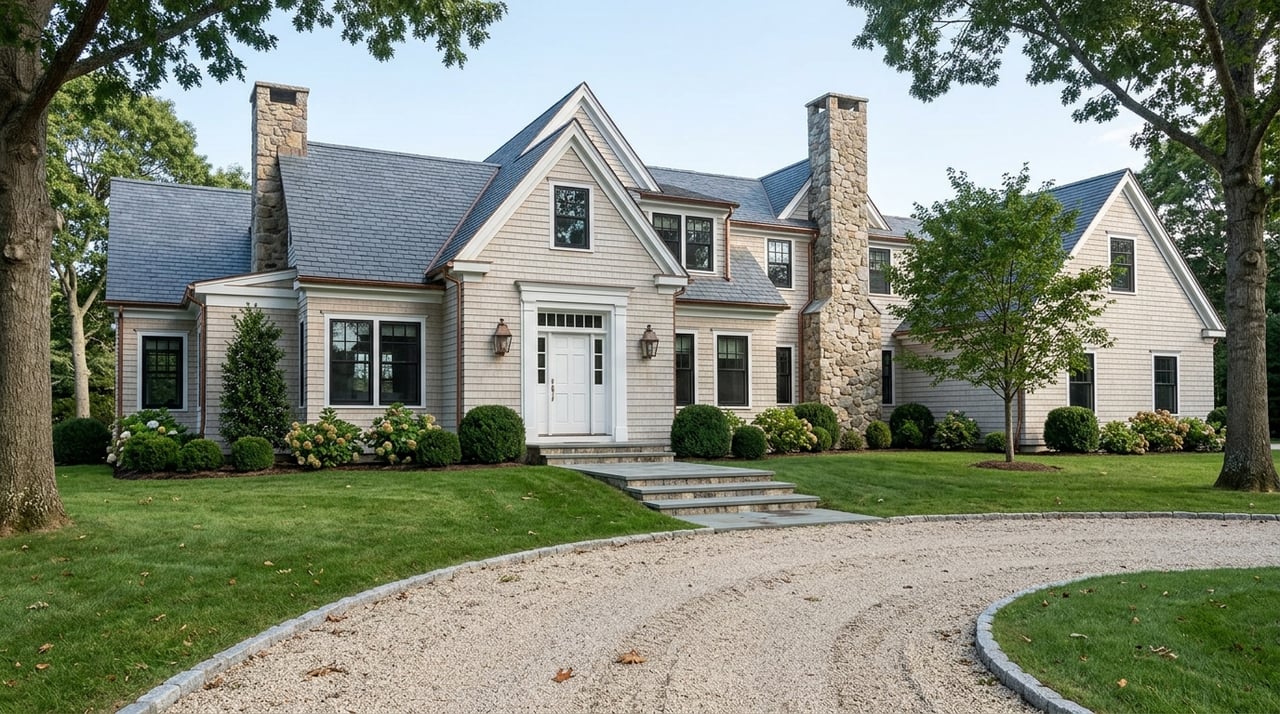
Lead with curb appeal
In Fairfield Beach, the outside of the home is part of the story. Buyers are not just evaluating square footage. They are reacting to lifestyle, upkeep, and how effortless the property feels.
Before photos or showings, clean windows and screens, trim overgrowth, fix visible walkway issues, and refresh the entry. For beach properties, that usually means removing salt haze, sand, worn outdoor clutter, and anything that makes the home feel overly seasonal. A clean, cared-for approach reads as low-maintenance and move-in ready.
Keep interiors coastal and neutral
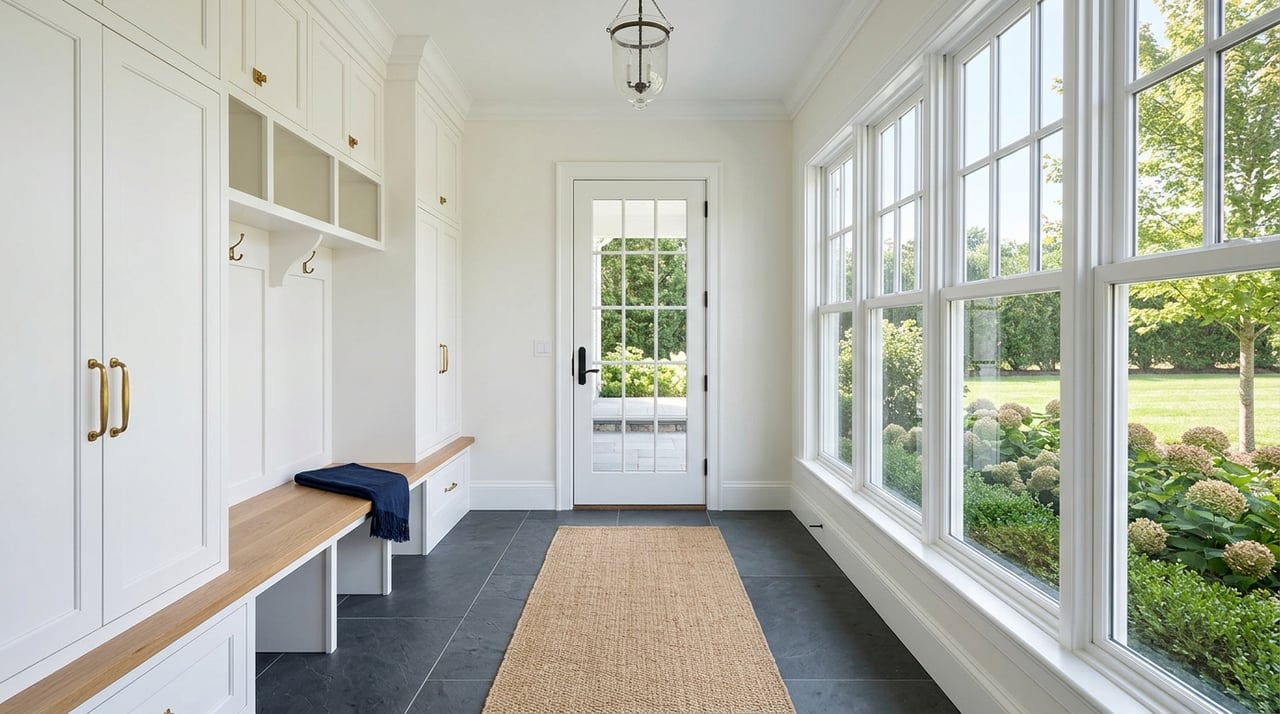
Inside, lighter is usually better. Bright neutral paint, open window treatments, and sheer curtains can help rooms feel larger and let natural light and views carry more of the visual weight.
This tends to work especially well in Fairfield Beach cottages. Heavy furniture and overly themed coastal decor can make a home feel smaller or dated. A restrained, coastal-neutral look helps buyers focus on the architecture, light, and setting instead.
Right-size smaller spaces
Many beach homes have compact rooms or tighter transitions. One of the simplest staging improvements is removing one or two pieces of furniture so the room looks larger both online and in person.
That might mean using a smaller dining table, swapping in a slimmer sofa, or clearing extra accent pieces. The goal is not to make the room feel empty. The goal is to keep pathways open and scale appropriate so the home photographs well and feels comfortable to walk through.
Staging Fairfield Center homes
Let character take the lead
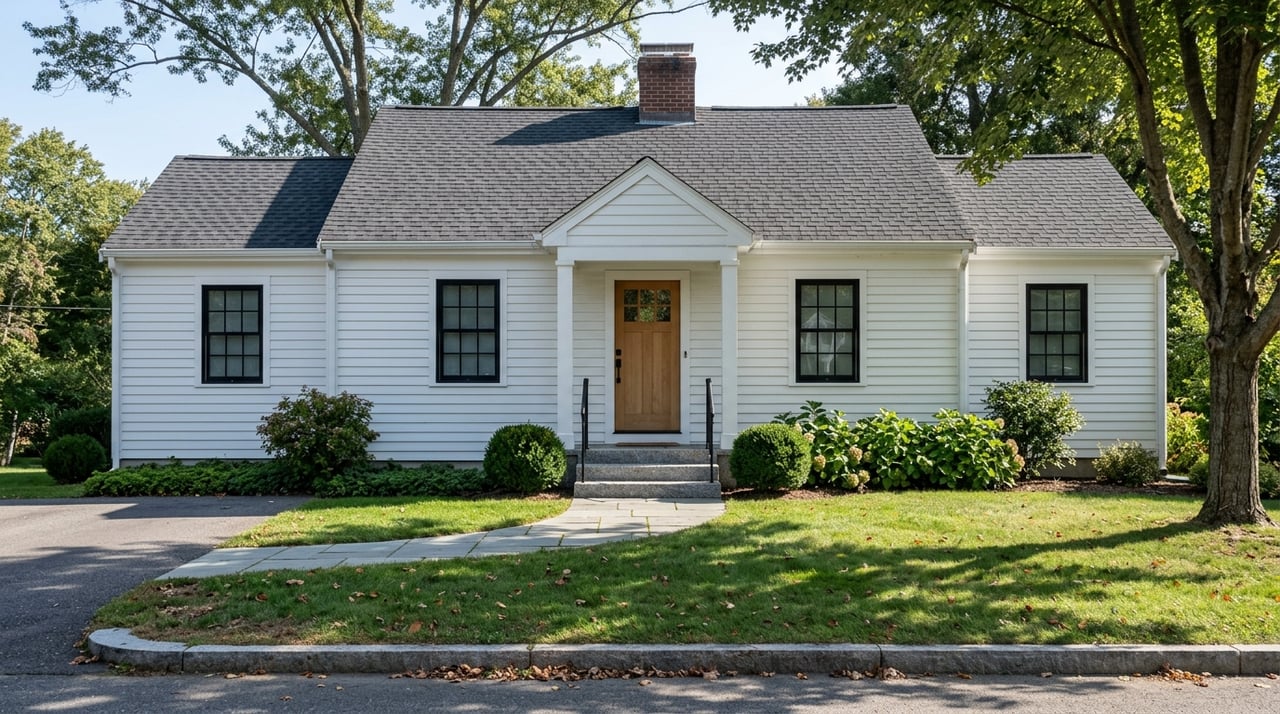
Fairfield Center includes homes influenced by the town’s historic fabric, including Colonial, Federal, and Greek Revival architecture in and around the Old Post Road Historic District and Town Green. In these homes, staging works best when it supports character instead of competing with it.
That means decluttering first, then letting trim, fireplaces, built-ins, stair details, and hardwood floors remain visible. Buyers should notice the home’s original strengths, not a room crowded with furniture or decor.
Clarify how each room works
In older colonials and in-town townhomes, layout can matter as much as style. If a room has an awkward transition or serves multiple possible uses, choose one function and stage it clearly.
A flex space can work well as an office, guest room, or reading room. What matters is that it does one job well. When buyers can immediately understand how a space lives, they are better able to picture themselves in the home.
Open up shared spaces
Combined living and dining rooms, hallways, and stair landings should feel visually open. Keep surfaces clean, remove extra furniture, and use brighter lighting where needed.
These changes may sound small, but they influence how buyers read maintenance and livability. In character homes, clean lines and open sightlines help original features stand out and prevent the home from feeling smaller than it is.
The staging sequence that works best
For many Fairfield Beach and Fairfield Center listings, the best results come from a consistent order of operations. Instead of jumping straight to styling, start with the basics that improve how the home looks, feels, and photographs.
A strong staging sequence usually looks like this:
- Deep clean the entire home
- Declutter every room and surface
- Repaint in bright neutrals if needed
- Improve lighting in dim areas
- Right-size furniture for scale and flow
- Sharpen curb appeal
- Take photos only after the home is fully show-ready
This order matters because buyers notice cleanliness, light, and space before they notice decor. When those fundamentals are right, the home feels more valuable and more trustworthy.
Prepare for photography before the first showing
Photography is often the first real showing. In a market where many buyers begin online, listing photos can shape whether someone books a tour at all.
That is why staging should be finished before photography starts. Open blinds, remove refrigerator magnets, take down distracting art, and make sure each key room is clean, bright, and clearly defined. If a room feels cramped, removing a piece or two of furniture can improve how it reads on camera.
Professional photos should capture major rooms, notable features, natural light, and outdoor spaces. For some properties, especially those with strong exterior appeal, dusk or twilight images may also help show the home at its best.
Handle showings with a simple final checklist
Once photos are done and your home is active, consistency matters. Every showing should reflect the same level of care buyers saw online.
Before a showing or open house, focus on a short list of essentials:
- Open all window treatments
- Turn on all lights
- Clean windows and screens
- Wipe down counters and appliances
- Neutralize odors
- Clear walking paths
- Fix small visible issues like cracked caulking or torn screens
Also pay attention to the details buyers quietly notice. Clean walls, baseboards, carpets, and lighting fixtures help signal that the home has been maintained over time.
Avoid over-editing your listing photos
There is a difference between polished marketing and misleading presentation. If virtual staging or AI photo editing is used, it should be disclosed and should not materially change the property’s condition, scale, or surroundings.
Over-edited images may generate clicks, but they can also create disappointment at the showing and reduce trust in the listing. In Fairfield, where buyers often move quickly from online browsing to in-person comparison, accuracy matters. The best presentation is clean, bright, and honest.
Why restraint usually wins
The strongest staging in Fairfield is often the most disciplined. It does not overwhelm buyers with decor or attempt to force a trend. Instead, it makes the home feel lighter, clearer, and easier to understand in a quick online scan and a short in-person visit.
That approach works especially well across both Fairfield Beach and Fairfield Center. In beach homes, it lets the setting shine. In center homes, it preserves character and reveals function. In either case, it helps buyers see value faster.
If you are preparing to sell, staging is one of the clearest ways to support your asking price and strengthen your first impression. For tailored guidance on how to position your Fairfield home for today’s market, connect with Jackie Davis.
FAQs
What rooms matter most when staging a Fairfield home for sale?
- The living room, primary bedroom, and kitchen are typically the most important rooms to stage because buyers often focus on those spaces first.
How should you stage a Fairfield Beach cottage?
- Focus on clean curb appeal, bright neutral interiors, open window treatments, and smaller-scale furniture that helps compact rooms feel lighter and more spacious.
How should you stage a Fairfield Center Colonial or townhome?
- Keep the home decluttered, preserve architectural details, brighten darker areas, and give each room one clear purpose so buyers can easily understand the layout.
When should staging be finished for a Fairfield listing?
- Staging should be complete before professional photography so the photos reflect the home at its best from the start.
Should you use virtual staging for a Fairfield home listing?
- You can use virtual staging if it is disclosed and does not materially change the home’s condition, size, or surroundings.