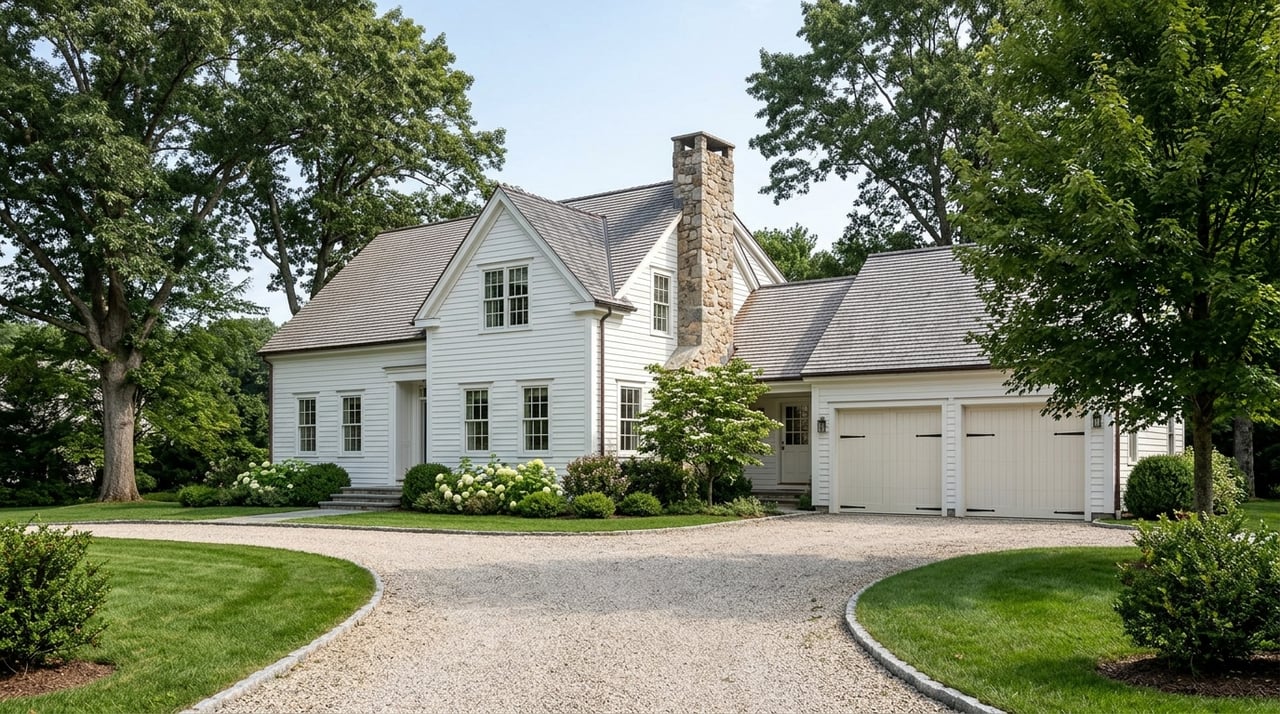
Thinking about trading a city condo for a country home in Weston? It can feel like a dream upgrade at first glance: more privacy, more land, and more room to breathe. But the day-to-day rhythm changes too, especially when you move from building-managed living to caring for a home on its own land. This guide will help you understand what to expect in Weston, CT 06883, so you can plan the move with confidence. Let’s dive in.
Weston living feels different
Weston is not a dense suburb with blocks of shops and condo buildings. The town describes itself as a residential community about 45 miles from New York City with two-acre zoning, minimal commercial development, and abundant natural open space. That setting shapes how you live there, from your errands to your maintenance routine.
The housing landscape also reflects that pattern. Census QuickFacts lists a 2025 population estimate of 10,517 in Weston, along with a 96.9% owner-occupied housing rate and a median owner-occupied home value of $996,700. In practical terms, Weston tends to attract people who want privacy, space, and a more independent style of homeownership.
Country homes need more hands-on care
One of the biggest adjustments from condo life is responsibility. In a condo, many outdoor tasks and shared systems are often handled for you. In Weston, your property may need regular attention across the lawn, trees, driveway, drainage, and seasonal upkeep.
Weston Public Works maintains town roads, roadsides, drainage, and snow response, but homeowners still need to think about the property itself. Depending on the home, that may mean mowing, leaf cleanup, tree care, driveway maintenance, and winter preparation. If you are used to calling a building manager, this shift is worth planning for early.
Budget for routine property work
A larger lot can be beautiful, but it can also change your monthly and seasonal budget. Before you buy, think through the services you may want to line up right away.
Common examples include:
- Landscaping and mowing
- Tree and arborist work
- Snow removal
- Seasonal leaf cleanup
- Driveway upkeep
- Drainage review after heavy rain
You do not need to handle every task yourself, but you will want a realistic picture of what ownership looks like on the ground.
Wells and septic matter in Weston
For many condo owners, this is the biggest lifestyle change. Weston's planning materials describe the town as heavily reliant on private wells and septic systems. That is very different from condo living, where water and wastewater are usually part of a larger shared utility setup.
Weston’s municipal permit information directs new septic systems and private wells to the Aspetuck Health District. If you have never owned a home with these systems before, it helps to learn the basics early, including maintenance, testing, and who to contact for permits or questions.
Know the local offices early
A smooth move often starts with knowing which local departments handle which issues. Weston makes that easier by clearly pointing residents to the right offices.
Here are a few to know:
- Aspetuck Health District for private wells and new septic systems
- Conservation Planner for conservation, inland wetlands, and watercourses applications
- Planning & Zoning for subdivision and zoning permits
- Public Works for transfer station, garbage and recycling, and road-related services
If you are considering improvements to a property, these contacts can become important very quickly.
Conservation is part of the lifestyle
Weston’s rural character is closely tied to conservation. The town’s planning materials state that 3,847 acres, or about 29% of Weston, are parks, open space, and conservation lands. These areas support the town’s quality of life, outdoor recreation, water resources, and overall character.
That focus also shapes how homeowners think about their land. The Conservation Commission regulations prioritize wetlands and watercourses, water quality, wildlife habitat, flood protection, and potable freshwater supplies. In other words, owning property in Weston often comes with a stewardship mindset, not just a maintenance checklist.
Yard choices can affect more than curb appeal
Weston’s stormwater guidance encourages residents to be careful about oils and grease from roadways, pesticides and fertilizers from lawns, and sediment from construction sites because they affect local waters. The same guidance also points residents toward septic-system care, conservation landscaping, native plants, and environmentally friendly lawn care.
For you, that means outdoor decisions can have broader impact. If you are planning landscaping changes, lawn treatments, or site work, it is smart to think beyond appearance and consider drainage, runoff, and long-term upkeep too.
Daily errands are more car-based
Moving from a city condo usually means changing how you get around. Weston is not remote, but it is less walkable for daily errands than an urban neighborhood. Most households rely more heavily on a car for groceries, appointments, and routine stops.
The town says Weston Town Center is the main commercial destination and local meeting spot. Residents can find a food market, bank, dry cleaner, real estate office, post office, spirits shop, restaurant, and gas and service station there. At the same time, Weston notes the absence of heavily trafficked commercial roads, which many buyers see as part of the appeal.
Trash and recycling become your task
This is another practical shift from condo life. In many condo buildings, trash and recycling are part of the building’s services. In Weston, homeowners need to understand the local system.
The town operates a transfer station at 237 Godfrey Road East. It is open Tuesday through Saturday from 8:00 am to 2:30 pm, with separate pricing for solid waste, bulky waste, appliances, and other items. That may sound like a small detail, but it is one of those everyday routines that makes country-home living feel different.
Outdoor space becomes part of your routine
For many buyers, this is where Weston truly shines. If you are leaving a condo because you want more room and more connection to the outdoors, Weston offers that in a meaningful way. The town’s parks and preserved lands are a central part of local life.
Weston’s Parks and Nature resources highlight places such as Weston Dog Park on a 36-acre town parcel, Bisceglie-Scribner Park, Morehouse Farm Park, Keene Park, Lachat Town Farm, and Devil’s Den Preserve. The town describes Devil’s Den Preserve as The Nature Conservancy’s largest continuous preserve in Connecticut and the largest tract of protected land in densely developed Fairfield County.
Aspetuck Land Trust is also a major part of the local conservation culture. The organization says it preserves open space in Weston and neighboring towns, maintains 45 trailed preserves, and includes the 1,009-acre Trout Brook Valley Preserve in Easton and Weston. For buyers who care about hiking, dog walking, birding, or simply living near protected land, that is a meaningful part of the Weston experience.
Questions to ask before you move
A successful condo-to-country transition often comes down to honest self-assessment. The right home is not just about square footage or style. It is also about how you want to live every week.
Ask yourself:
- How much land do you realistically want to manage?
- Are you comfortable budgeting for mowing, tree work, snow removal, and seasonal cleanup?
- Have you owned a home with a private well or septic system before?
- How often are you comfortable driving for errands and appointments?
- Which outdoor routines matter most to you, such as hiking, dog walking, or simply enjoying more privacy?
- Which local service professionals will you want to line up early?
These are practical questions, but they are also lifestyle questions. The clearer your answers, the easier it becomes to choose a Weston home that fits you well.
Why local guidance matters
In a market like Weston, the right home search is about more than finding a beautiful property. It is about understanding land, systems, maintenance expectations, and how a specific home supports the way you want to live. That kind of transition is easier when you have local guidance that looks beyond finishes and square footage.
If you are considering a move to Weston or planning a change within Fairfield County, working with an experienced local team can help you focus on the details that matter most. From evaluating a property’s day-to-day fit to helping you understand the rhythm of country-home ownership, the goal is a move that feels exciting and well-prepared. When you are ready to explore your options, connect with Jackie Davis for trusted, concierge-level guidance.
FAQs
What is the biggest adjustment from a city condo to a Weston country home?
- The biggest adjustment is usually moving from building-managed living to owner-managed property care, including land maintenance, driveway upkeep, and seasonal planning.
What should buyers know about wells and septic systems in Weston, CT?
- Weston relies heavily on private wells and septic systems, so buyers should learn about maintenance, testing, and permits through the Aspetuck Health District before purchasing.
How do daily errands work when living in Weston, Connecticut?
- Weston Town Center covers many basic errands, but most day-to-day trips are more car-based than they would be in a walkable city neighborhood.
How does trash and recycling work for Weston homeowners?
- Homeowners use the town’s transfer station at 237 Godfrey Road East, which operates Tuesday through Saturday from 8:00 am to 2:30 pm and charges separately for different waste categories.
Why is conservation important when buying a home in Weston?
- Conservation matters because Weston has extensive open space, wetlands protections, and local guidance around water quality, landscaping, and land stewardship that can affect how you use and maintain your property.
What outdoor lifestyle benefits come with living in Weston, CT?
- Weston offers access to parks, preserved land, dog walking areas, farm spaces, and trail networks that support a more outdoor-focused daily routine.